Violent Protests Erupt in South Africa Over Disputed Nigerian 'Igwe Ndigbo' Coronation
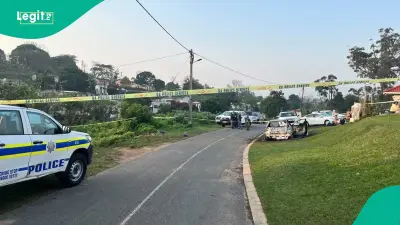
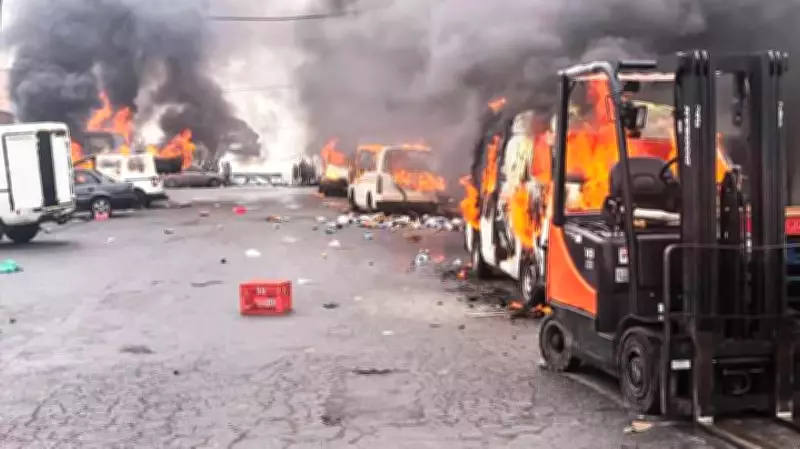
Violent protests erupted yesterday in KuGompo City, located in South Africa's Eastern Cape province, as demonstrations against the reported coronation of Nigerian Igbo leader Solomon Ogbonna Eziko escalated into widespread destruction. Protesters set ablaze at least twelve vehicles and several buildings, leading to a significant security response from emergency services and police units.
Controversy Surrounds Coronation Ceremony
The unrest followed the installation of Eziko as "Igwe Ndigbo Na East London," a title that has sparked outrage among local residents and traditional authorities. Many view this act as an unlawful assertion of authority and a direct challenge to established cultural structures within the region. According to reports from SABC News, tensions initially arose from a planned peaceful demonstration led by traditional leaders, but the situation deteriorated when some protesters broke away from the main gathering near the city hall, where a petition was being submitted.
Official Responses and Denials
Police spokesperson Brigadier Nobuntu Gantana confirmed the extent of the damage, noting that emergency services, including fire crews and the Public Order Policing Unit, remain on the scene to restore order. In a significant development, the Nigerian High Commission has stated that the coronation never took place, adding a layer of confusion to the already volatile situation.
The controversy intensified after a video of the coronation ceremony circulated widely online earlier this month, drawing sharp criticism from various quarters. The AbaThembu Royal Council described the coronation as "an act of terror" and announced plans to contact the Nigerian Consulate. The council also rejected claims that King Buyelekhaya Dalindyebo endorsed the installation.
Political and Traditional Backlash
South Africa's Minister of Cooperative Governance and Traditional Affairs, Velenkosini Hlabisa, criticized the move, warning that it undermines the legal framework governing traditional leadership. The Eastern Cape House of Traditional and Khoi-San Leaders distanced itself from the development, stating that no group has the authority to establish kingship structures outside the provisions of the Traditional and Khoi-San Leadership Act. The body emphasized that such actions threaten recognized institutions and customary law.
The disputed coronation reportedly took place within the jurisdiction of King Jonguxolo Vululwandle Sandile of the amaRharhabe Kingdom, further heightening tensions. Political pressure has mounted, with ActionSA announcing plans to mobilize supporters for a protest march. The party's parliamentary caucus leader, Athol Trollip, described the coronation as "unlawful and provocative," warning it could inflame divisions within the community.
Broader Context and Social Media Debate
The tensions echo a similar incident in Ghana in 2025, where protests broke out over plans by a "Nigerian King" to establish an Igbo Village on 50 acres of land. This highlights the complexities around cultural influence and foreign-led community structures in parts of Africa, raising questions about integration and respect for local traditions.
The incident has sparked heated debate on social media platform X (formerly Twitter). User Tokunbo Oshisanya criticized the destruction, stating that protesters were harming their own communities by targeting unrelated individuals and businesses. In contrast, Modise M, a South African user, defended local frustrations, arguing that South Africans understand their own challenges and warning that foreign nationals should avoid actions perceived as provocative.
Another user, Atlegang Monamodi, questioned the legitimacy of the coronation, asking how individuals could claim kingship in a land with existing traditional authorities. Meanwhile, some dismissed the controversy as misinformation, insisting the title was being misrepresented and describing it as a community or union role rather than an actual kingship. They further argued that the backlash reflects underlying xenophobia, noting that other foreign communities maintain cultural associations in South Africa without similar reactions.
Calls for Calm and Future Implications
Authorities have called for calm as tensions remain high, warning that continued violence risks deepening divisions and damaging local economies. Demonstrators have demanded the deportation of Eziko, while observers caution that misinformation and heightened emotions may be fueling the unrest. The situation underscores ongoing challenges related to cultural diplomacy, migration, and community relations in South Africa, with potential implications for broader African intercultural dynamics.