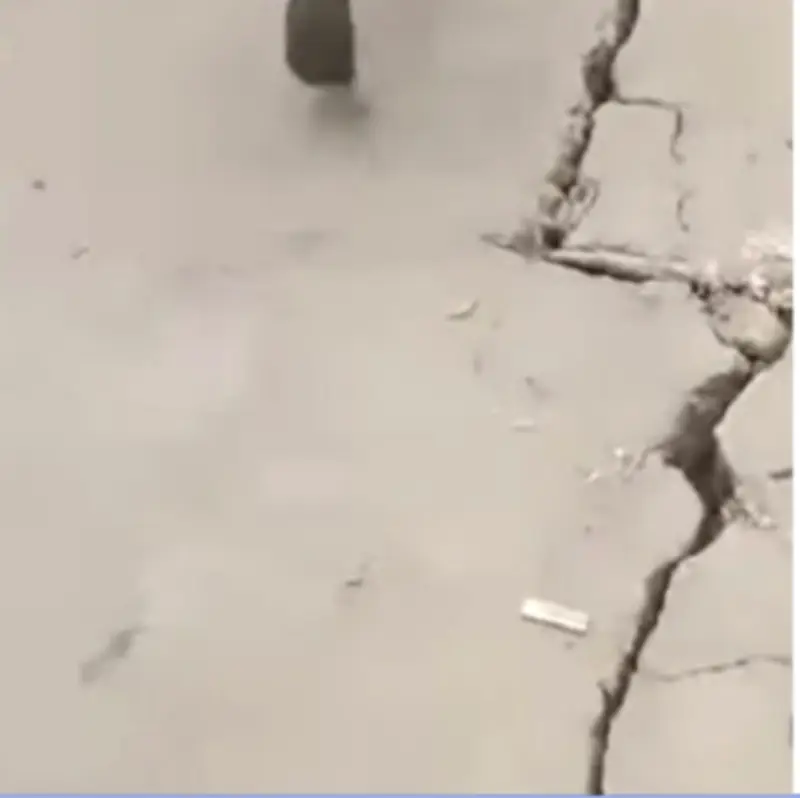
A coal mining site in Ankpa Local Government Area of Kogi State collapsed on July 14, 2026, trapping and killing 20 miners. The incident occurred at Alufele in Enjema District, where miners were buried under collapsed earth during working hours.
Senator Raises Alarm on Mining Safety
Confirming the incident on Wednesday, July 22, during plenary, Senator Isah Jibrin of Kogi East Senatorial District called on the Senate to take urgent action to protect all personnel working at mining sites across the country. Raising a motion of urgent public importance under Orders 41 and 51 of the Senate Standing Orders, Senator Jibrin highlighted the alarming safety, environmental and humanitarian consequences of artisanal and small-scale coal mining in Ankpa and other coal-producing communities in Kogi State.
Jibrin added that unsafe mining techniques, particularly the widespread use of the room-and-pillar method without adequate structural reinforcement, have significantly heightened the risk of fatal mine collapses.
Senate Resolves to Overhaul Mining Safety
After contributions by members, the Senate resolved that there is an urgent need for an overhaul of Nigeria's mining safety regime following the deadly collapse. The Senate warned that weak regulations, unsafe mining practices and poor worker protection have turned many mining sites into death traps.
The Senate confirmed that recurring fatalities in the solid minerals sector underscore the urgent need for stricter enforcement of mining regulations, improved safety standards and stronger protection for workers operating in one of the country's most hazardous industries.
Geological and Welfare Concerns
The Senate observed that coal-rich communities of Enjema, Okaba and Ikah, located within the Ankpa Coal Block of the Anambra Basin, lie on unstable geological formations that are highly susceptible to landslides, subsidence and catastrophic ground failure.
The Senate also decried the poor welfare of mining workers, noting that many operate without formal employment contracts, health insurance, life insurance or occupational hazard protection, leaving bereaved families without compensation or social support whenever accidents occur.
Environmental and Economic Impact
The Senate warned that poorly regulated mining activities have continued to degrade the environment, destroy farmlands and threaten the livelihoods of host communities, even as Nigeria seeks to expand the solid minerals sector as a key pillar of economic diversification.
Call for Nationwide Audit and Compensation Scheme
To stem the recurring disasters, lawmakers urged the Federal Ministry of Solid Minerals Development to carry out a comprehensive nationwide audit of licensed mining operators and strengthen regulatory oversight to ensure strict compliance with safety standards.
The Senate further called on the Federal Government to establish a statutory Mining Workers' Compensation Scheme and a Mine Rehabilitation and Victims Support Fund to provide financial relief for victims and support the restoration of communities affected by mining activities.
Compulsory Insurance for Miners
It also urged the National Insurance Commission (NAICOM) to work with relevant stakeholders to introduce compulsory occupational accident insurance for all categories of miners across the country.
The relevant Senate committees were directed to engage the appropriate government agencies and report back within six weeks on the implementation of the resolution.