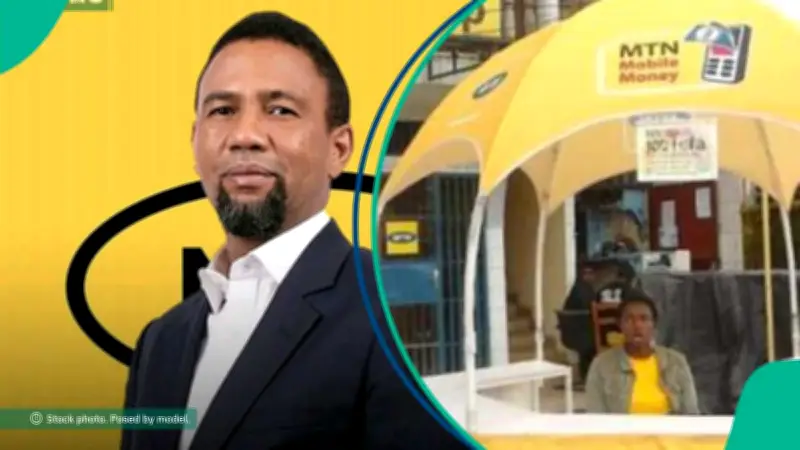
Over 92 million MTN subscribers remain without essential airtime credit services more than six weeks after a regulatory crackdown disrupted the telecom sector. While rival operators Airtel and Globacom have quietly restored their services, MTN's timeline for restoration remains unclear, leaving millions of Nigerians facing communication breakdowns and financial losses.
Millions Still Waiting
In late May, Airtel and Glo resumed their airtime credit services after weeks of suspension linked to the Federal Competition and Consumer Protection Commission's (FCCPC) enforcement of its Digital Economy and Online Lending (DEON) Regulations. MTN, however, has yet to restore its XtraTime and XtraData services, and no official timeline has been announced. This means the country's largest telecom network, with more than 92 million subscribers, remains without access to one of its most widely used emergency services.
For many Nigerians living on tight budgets, borrowed airtime and data are essential tools for communication, work, education, and emergencies. Chukwuemeka Obi, a motorcycle taxi rider in Enugu, said the suspension has directly affected his income. "Before all this started, if my airtime finished and a customer needed to reach me, I just borrowed," he explained. "Now I have to go and buy card. Sometimes there is no time, sometimes there is no money. I have lost jobs because of this."
In Kaduna, secondary school teacher Fatima Yusuf said the inability to borrow data has caused her to miss important school updates sent through WhatsApp. "When my data finishes and I cannot borrow, I miss announcements," she said. "I even missed a staff meeting because of this. Nobody is talking about us."
FCCPC's Controversial Position
The FCCPC initially argued that airtime credit services should fall under its consumer lending regulations, claiming subscribers needed protection from potentially exploitative practices. Critics, however, insist the comparison was flawed from the start. Unlike digital loan platforms, airtime credit services do not charge interest, use debt collectors, or harass customers through contact-list access and public shaming tactics commonly associated with some loan apps.
Industry stakeholders argued that the Commission applied rules designed for online lending platforms to telecom services that operate under entirely different structures. The Wireless Application Service Providers' Association of Nigeria (WASPAN), acting on behalf of its Nigerian Communications Commission (NCC)-licensed members, challenged the FCCPC in court. In April, the Federal High Court in Lagos granted interim injunctions restraining the Commission from enforcing its directives. Attempts by the FCCPC to overturn the injunctions reportedly failed, while contempt proceedings were later initiated against the agency's Executive Vice Chairman. By May 22, the FCCPC suspended enforcement following court intervention.
Questions Over Consumer Protection
Despite the court-ordered suspension, many subscribers say the damage has already been done. Critics argue that while the FCCPC has shifted attention toward media appearances and broader economic narratives, millions of Nigerians remain stuck without the services they depended on daily. Adaeze Nnaji, a petty trader in Aba, questioned whether consumers were truly being protected. "I don't know FCCPC. I don't know what they do," she said. "I only know that before, I could borrow airtime and call my supplier. Now I cannot. Who is protecting me?"
The legal battle is expected to continue, with further court proceedings scheduled for July 20. But for millions of Nigerians dealing with missed business opportunities, disrupted communication, and daily financial strain, the consequences of the regulatory standoff are already being felt in real time, according to a report by Vanguard. As the dispute drags on, many subscribers say they are still waiting for answers, clarity, and most importantly, the restoration of a service they once relied on to stay connected.
Credit Deregulation: FCCPC Denies Presidency Backing
Earlier, Legit.ng reported that the FCCPC distanced itself from widespread reports alleging that President Bola Tinubu approved a major restructuring of Nigeria's airtime credit market and licensed nine fintech companies to operate in the sector. In a statement released on Saturday, June 6, 2026, the Commission described the reports as inaccurate and clarified that it neither submitted proposals to the Presidency nor participated in any process aimed at opening the market to new operators. The clarification comes after several national newspapers published reports claiming the Presidency had endorsed the FCCPC's plans to reform the airtime credit ecosystem as part of the Federal Government's Nigeria First Technology Policy.