Analyst Commends Police Reforms for Peaceful Elections
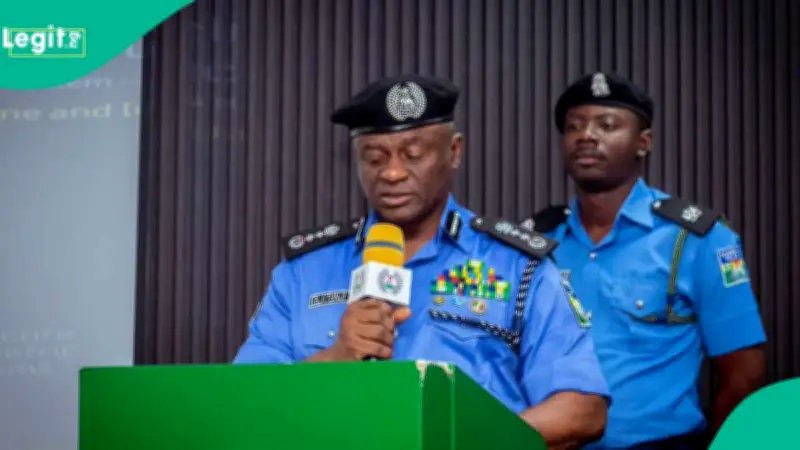
Shehu Abdullahi, a public affairs analyst, has commended the Inspector-General of Police, Olatunji Rilwan Disu, for fostering a culture of professionalism, accountability, and neutrality within the Nigeria Police Force, particularly in election security. Abdullahi stated that recent policing strategies under Disu's leadership have contributed to more peaceful and secure electoral processes across the country, boosting public confidence in law enforcement institutions.
Restructured Election Security Operations
According to Abdullahi, a key demonstration of the reforms is the restructuring of election security operations. Officers deployed for electoral duties are repeatedly reminded of their obligation to remain professional, impartial, and guided strictly by the law. He noted that this approach was evident during preparations for the governorship election in Ekiti State, where the police, alongside other security agencies under the Inter-Agency Consultative Committee on Election Security, developed a comprehensive security architecture covering all 16 local government areas, 154 wards, and over 2,500 polling units.
Personnel and tactical assets were strategically deployed to safeguard voters, election officials, observers, and sensitive materials. Officers were thoroughly briefed on their rules of engagement and constitutional responsibilities. The Inspector-General consistently reassured citizens that they could exercise their democratic rights without intimidation or harassment, while warning political actors against compromising the electoral process.
Peaceful Conduct Reflects Effective Security Measures
Abdullahi said the peaceful conduct of the Ekiti election reflected the effectiveness of the security measures, with the poll widely regarded as orderly and largely free from major security incidents. He further observed that recent National Assembly bye-elections in several states also witnessed fewer cases of violence and disruption, a development he attributed to improved coordination among security agencies involved in election security management.
Internal Accountability and Discipline
Beyond election security, Abdullahi praised the Inspector-General's emphasis on internal accountability within the police force. He cited the response to the killing of Mene Ogidi in Delta State as evidence of the police leadership's commitment to discipline. The immediate removal of officers involved from operational duties, the commencement of disciplinary proceedings, and the decision to pursue criminal prosecution demonstrated a willingness to hold erring personnel accountable, addressing public concerns and reinforcing that misconduct would not be tolerated.
Strengthened Collaboration with Stakeholders
Abdullahi also commended Disu's efforts to strengthen collaboration with traditional rulers, civil society organizations, electoral bodies, and international observers, describing the approach as a reflection of modern policing principles built on partnership and dialogue. He pointed to the police leadership's participation in peace accord meetings ahead of elections as part of broader efforts to promote peaceful democratic processes.
The analyst highlighted the Inspector-General's recent intervention in rising political tensions in Osun State ahead of the governorship election scheduled for August 15, 2026. The engagement with stakeholders contributed to agreements ensuring that individuals involved in incitement or electoral violence would be arrested and prosecuted regardless of political affiliation or status. Abdullahi also welcomed assurances of police neutrality during the election, as well as plans to reorganize specialized local units and deploy tactical reinforcements to maintain public order. According to him, the collaborative efforts involving law enforcement agencies, traditional institutions, and community security networks have positioned the state for a peaceful, free, and credible governorship election.