Bwala claims Al Jazeera apologised privately over interview
Daniel Bwala, Special Adviser to President Bola Tinubu on Policy Communication, has revealed that Al Jazeera privately apologised to him following a controversial interview aired earlier this year. However, he rejected the apology and is now pursuing legal action in England. Bwala made the disclosure while speaking on The Morayo Show, stating that the broadcaster admitted it should have informed him in advance that his credibility and previous criticism of President Tinubu would be a major focus of the interview.
According to Bwala, the private apology was insufficient. “They apologised to me privately. I said they should put it on social media. They said they would not because it would affect their credibility,” he said. Bwala insisted that any apology must be made public to be meaningful.
Background of the controversial interview
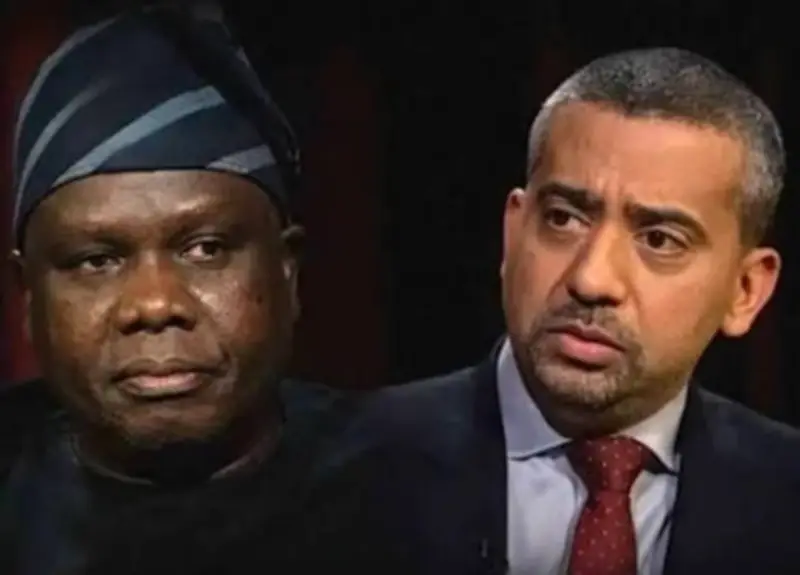
Bwala appeared on Al Jazeera’s Head to Head programme in March, where host Mehdi Hasan repeatedly confronted him with past statements and video clips from his time as spokesperson for former Vice President Atiku Abubakar’s presidential campaign. During the interview, Hasan questioned Bwala about his previous criticisms of Tinubu and his subsequent decision to support the president. Clips from the exchange later went viral on social media, sparking widespread debate.
Bwala alleged that the interview was edited in a way that misrepresented his responses. He claimed that producers removed an opening segment in which he acknowledged making the earlier comments about Tinubu but told the interviewer they were outside the agreed scope of the discussion. The omission, he said, created the impression that he was simply denying his previous statements without context.
Legal action underway in England
Bwala stated that he has instructed lawyers in England to pursue a defamation case against Al Jazeera. “My advisers in England said it is a case of defamation of character,” he said, adding that the matter is currently before a court in England. He did not provide further details about the specific claims or the court proceedings.
The case highlights ongoing tensions between Nigerian officials and international media outlets over coverage of political figures. Bwala’s decision to reject a private apology and seek a public retraction underscores his determination to hold the broadcaster accountable for what he perceives as unfair editing and misrepresentation.