Former CNN Anchor Don Lemon Detained in Federal Custody Following Minnesota Church Protest Incident
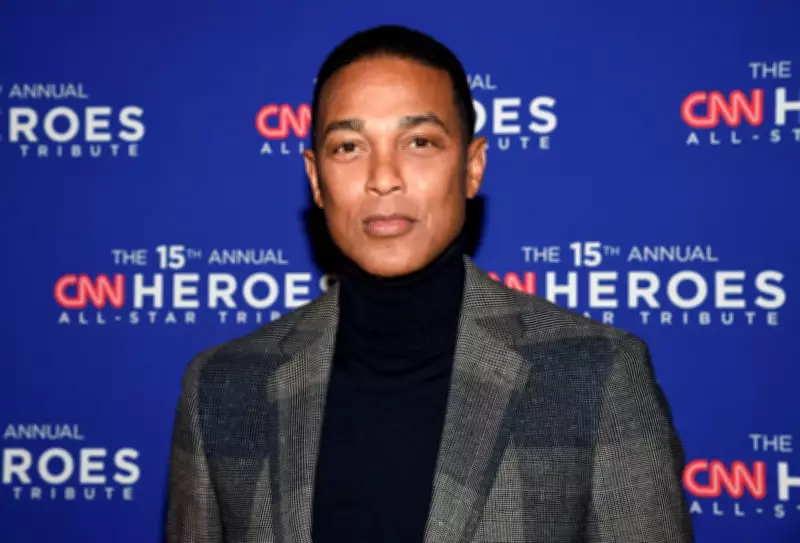
In a development that has sparked widespread debate over press freedoms, former CNN journalist Don Lemon was taken into custody by federal agents on Thursday night. This arrest is directly linked to an incident where anti-ICE protesters disrupted a service at a church in Minnesota, raising questions about the boundaries of journalistic work and constitutional protections.
Details of the Church Protest and Arrest
The events leading to Lemon's detention began on January 18, when a group of protesters entered Cities Church in St. Paul, Minnesota. The demonstrators targeted the church because one of its pastors serves as the acting field director of the St. Paul ICE field office, making it a focal point for anti-ICE activism. The protest was part of a broader movement against immigration enforcement policies, and it quickly escalated, drawing attention from both local and national media.
Lemon's attorney, Abbe Lowell, confirmed that the journalist was arrested while he was in the midst of covering the Grammy Awards, a high-profile event that underscores the timing and context of the federal action. Lowell emphasized that Lemon has been a dedicated journalist for over three decades, and his work in Minneapolis was consistent with his long-standing commitment to investigative reporting. "Don has been a journalist for 30 years, and his constitutionally protected work in Minneapolis was no different than what he has always done," Lowell stated, highlighting the professional integrity of Lemon's actions.
Legal and Constitutional Implications
In a strong defense of press freedoms, Lowell framed the arrest as a direct assault on the First Amendment. "The First Amendment exists to protect journalists whose role it is to shine light on the truth and hold those in power accountable," he argued, suggesting that Lemon's detention undermines these fundamental rights. Lowell further criticized the Trump Justice Department, accusing it of misallocating resources. "Instead of investigating the federal agents who killed two peaceful Minnesota protesters, the Trump Justice Department is devoting its time, attention and resources to this case," he said, labeling the arrest as an attempt to divert attention from other pressing issues facing the administration.
Lowell described the situation as an "unprecedented attack on the First Amendment" and vowed that Lemon would contest the charges vigorously in court. This stance reflects a broader concern among media advocates about the potential chilling effect on journalism, especially in contexts involving protests and government scrutiny.
Broader Context and Arrests
As of January 22, at least three individuals had been arrested in connection with the Minnesota church protest, indicating a coordinated law enforcement response. However, in a notable turn, Lowell reported that a magistrate judge had rejected the initial charges against Lemon, suggesting possible legal weaknesses in the case. This rejection adds a layer of complexity to the proceedings, as it may influence future court battles and public perception of the arrest's legitimacy.
The incident highlights ongoing tensions between activist movements, such as those opposing ICE, and federal authorities. It also raises critical questions about the role of journalists in covering such events, particularly when their work intersects with law enforcement actions. For Lemon, a well-known figure in broadcast journalism, this arrest marks a significant personal and professional challenge, potentially impacting his career and the broader media landscape.
In summary, the arrest of Don Lemon following the Minnesota church protest underscores the delicate balance between journalistic freedom and legal accountability. As the case unfolds, it will likely continue to generate discussion about First Amendment rights, the treatment of protesters, and the responsibilities of journalists in an increasingly polarized environment.