DSS Arrests Borno Youth Leader Over Boko Haram Ransom Allegations
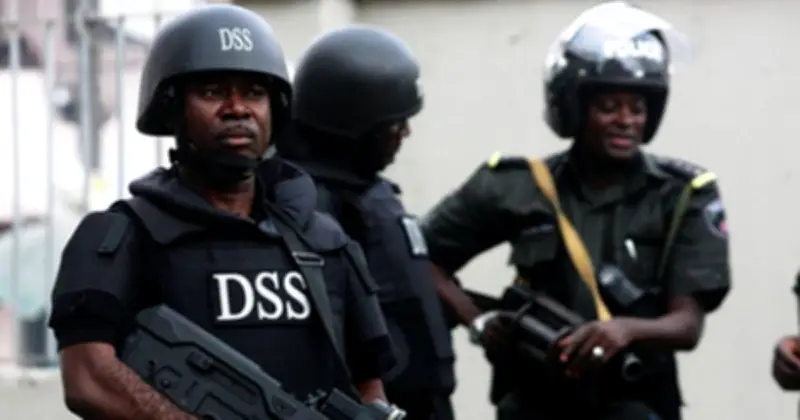
The Department of State Services (DSS) has arrested Samaila Ibrahim Kaigama, President of the Borno State Youth Association, after he publicly alleged that ₦5 billion was paid to Boko Haram insurgents to secure the release of 360 abducted women and children in Borno State. The arrest followed a live broadcast on Channels TV where Kaigama made the claims, which quickly went viral and sparked widespread reactions.
Allegations of Ransom Payment and Senator Ndume's Involvement
During the televised interview, Kaigama alleged that the ransom was paid to facilitate the release of victims abducted during an insurgent attack on Ngoshe, a community in Gwoza Local Government Area of Borno State. He further claimed that Senator Ali Ndume, representing Borno South Senatorial District, facilitated or paid about ₦1.9 billion of the purported ransom. These allegations raised questions about how the hostages regained their freedom and directly implicated individuals and public institutions in illegal activities.
Borno State Government Denies Ransom Payment
The Borno State Government has dismissed the allegations, insisting that no ransom was paid to secure the victims' release. In a statement, the Commissioner for Information and Internal Security, Prof. Usman Tar, described the claims as false. He stressed that the rescue of the 360 women and children was achieved through an intelligence-led operation carried out by troops of Operation Hadin Kai in collaboration with the DSS and other security agencies. According to Tar, the operation was the result of sustained intelligence gathering, coordinated military manoeuvres, and collaboration between Operation Hadin Kai, the DSS, and other security agencies.
Legal Implications of Ransom Allegations
Under Nigerian law, paying ransom or providing financial support to terrorist organisations is a criminal offence. The Terrorism (Prevention and Prohibition) Act, 2022, explicitly prohibits such actions. The Federal Government has repeatedly maintained that it does not pay ransom to terrorist organisations, insisting that military and intelligence operations remain the primary strategy for securing the release of hostages. The DSS investigation is expected to determine the basis of Kaigama's claims and whether any laws were violated.
Context of the Hostage Rescue
The controversy centres on the rescue of 360 women and children who had been held captive by Boko Haram following attacks on Ngoshe, a border community near the Mandara Mountains in Gwoza LGA. Authorities have maintained that the victims were freed during coordinated operations targeting terrorist hideouts in the mountainous region along Nigeria's border with Cameroon. The Borno State Government warned against spreading unverified information about security operations, saying such claims could undermine ongoing counter-insurgency efforts and mislead the public.
Ongoing Investigation and Responses
As of the time of filing this report, neither Senator Ali Ndume nor the DSS had issued a detailed public response specifically addressing the allegations made during the broadcast or the circumstances surrounding the youth leader's arrest. The investigation is expected to establish the basis of the claims and determine whether any laws were breached. The DSS has yet to issue a detailed statement on the arrest, but reports indicate that investigators are examining the claims made during the broadcast.