El Salvador Holds Historic Mass Trial of Nearly 500 MS-13 Gang Members Accused of 29,000 Murders
In a landmark judicial proceeding, El Salvador has initiated a mass trial involving nearly 490 alleged members of the notorious Mara Salvatrucha (MS-13) gang, including several high-ranking leaders, collectively charged with a staggering 29,000 murders. The trial, which commenced on Monday, April 20, represents a pivotal moment in President Nayib Bukele's aggressive campaign against gang violence that has plagued the Central American nation for decades.
Unprecedented Scale of Charges and Defendants
According to the Attorney General's Office, the 486 suspected MS-13 members are facing prosecution for an astonishing 47,000 criminal acts committed between 2012 and 2022, with homicide accounting for the majority of these allegations. The defendants include individuals from various levels of the gang's hierarchy, encompassing national leadership figures, street-level commanders, program coordinators operating across the country, and even founders of the organization.
Prosecutors have leveled particularly grave accusations against the group, including the alleged killing of 87 people during a single violent weekend in March 2022. This incident reportedly served as a catalyst for Bukele's declaration of an all-out "war" against gangs, which he claimed controlled approximately 80 percent of Salvadoran territory at the time.
Legal Framework and Government Strategy
The charges extend beyond conventional criminal allegations, with MS-13 members being accused of rebellion for allegedly attempting to establish a parallel state structure within El Salvador. "We are going to put them on trial, and we are going to settle a historic debt," declared prosecutors, emphasizing the government's determination to hold the gang accountable for decades of violence.
This mass trial forms part of broader emergency measures implemented by President Bukele in 2022, which have facilitated the arrest of more than 91,000 suspected gang members. However, this sweeping approach has resulted in thousands of individuals being detained and later declared innocent, raising significant questions about due process and judicial oversight.
Human Rights Concerns and International Criticism
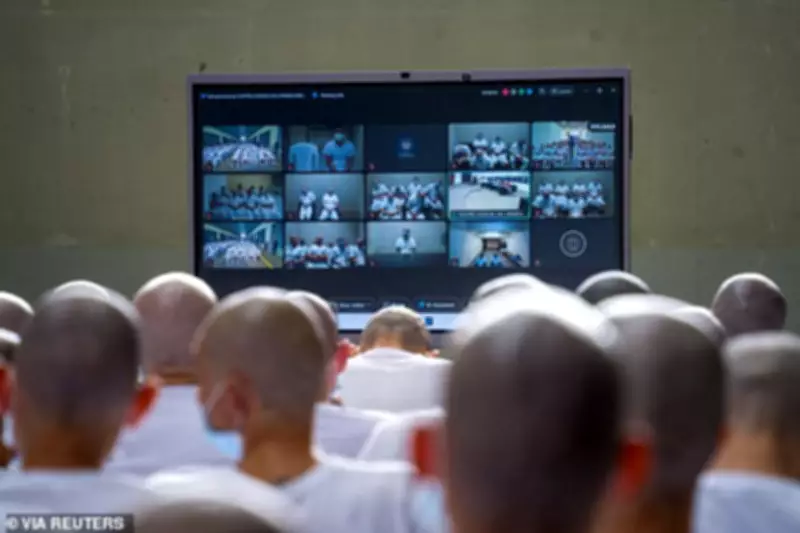
Human rights organizations have voiced strong objections to the government's methods, documenting numerous alleged abuses including systematic denial of due process, reports of torture in detention facilities, and over 500 deaths occurring within the prison system. The mass trial itself has drawn criticism for its unconventional procedures, with anonymous judges delivering standardized verdicts to large groups of defendants who participate via video link from prison.
New York-based Human Rights Watch (HRW) and the regional NGO Cristosal have specifically warned about the risk of innocent individuals being punished collectively for crimes committed by guilty parties, highlighting concerns about the fairness and transparency of the judicial process.
Historical Context and Gang Origins
MS-13, along with its rival Barrio 18, originated among Salvadoran immigrant communities in Los Angeles before spreading back to El Salvador, where both organizations have terrorized the population for more than thirty years through drug trafficking operations and extortion rackets across Central America. The Trump administration formally designated both groups as terrorist organizations, a classification that has been used to justify military actions against suspected drug-running operations.
President Bukele has attributed approximately 200,000 deaths over three decades to gang violence, including about 80,000 disappearances that remain unresolved. At the trial's opening, the presiding judge emphasized that armed groups had systematically disturbed "the peace of the Salvadoran population and the security of the state" for generations, vowing that they would face justice "with the full force of the law."
While state prosecutors claim to possess "ample evidence to request the maximum sentences" against the defendants, they have not specified whether this means life imprisonment. The outcome of this unprecedented mass trial will likely have profound implications for El Salvador's justice system, its ongoing battle against organized crime, and its international human rights standing.