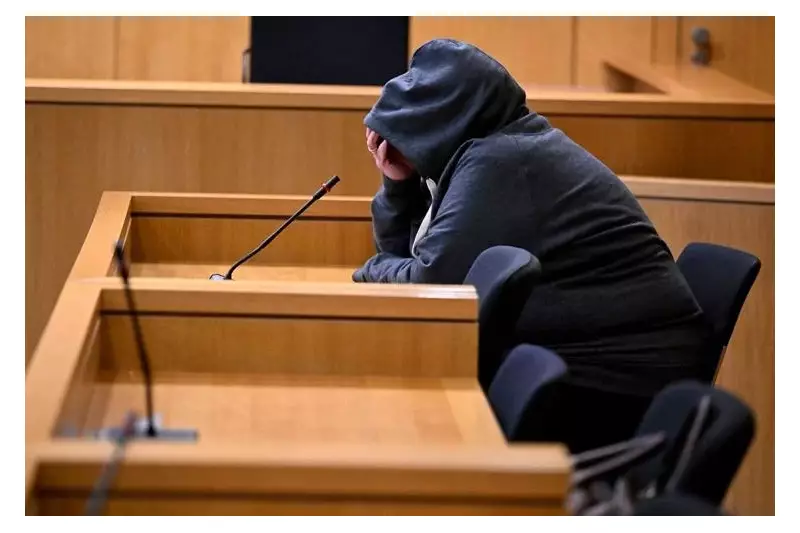
A German court has delivered a landmark verdict, convicting a 61-year-old man for a horrific series of crimes against his wife. The defendant, identified as Fernando P., was found guilty of repeatedly drugging, raping, and filming his spouse over several years, then distributing the footage online without her consent.
A Shocking Pattern of Abuse and Betrayal
The Aachen court in western Germany heard how Fernando P., a school janitor, secretly sedated his wife in their own home. While she was unconscious and unable to resist, he sexually assaulted her and recorded the acts. The court established that he then shared these videos on internet platforms and in group chats, violating her in the most profound way.
The crimes were proven to have occurred between 2018 and 2024, though prosecutors had initially alleged the abuse spanned close to 15 years. In its ruling, the court stated the man violated "the most intimate sphere of private life and personal rights" in 34 separate instances. These included four counts of aggravated rape and dangerous bodily harm. He was also convicted of aggravated sexual coercion and sexual assault.
Sentence and Legal Echoes of a French Case
Fernando P. was sentenced to eight years and six months in prison. The court noted that an appeal against the verdict could be filed within one week. This conviction arrives exactly one year after a similarly disturbing case in France concluded.
That case involved Frenchman Dominique Pelicot, who was found guilty of orchestrating the rape of his former wife by dozens of men over nearly a decade. The Pelicot trial sent shockwaves globally and ignited intense debate in France about misogyny and gender-based violence. The Aachen case has drawn direct comparisons, highlighting a pan-European crisis.
Campaigners Point to Critical Gaps in German Law
Advocacy groups in Germany have seized on this case to expose what they see as serious deficiencies in the country's legal framework for sexual violence. The group Nur Ja Heisst Ja ("Only Yes Means Yes") argues that the current "no means no" standard fails victims who are drugged, unconscious, or otherwise incapacitated and cannot verbally refuse.
They are pushing for a shift to a "yes means yes" model, which requires explicit, affirmative consent for sexual activity. Furthermore, activists have highlighted another alarming legal loophole: the possession of rape videos is currently not a crime in Germany. The details of the Aachen case have intensified calls for urgent reform, with some regional justice officials already advocating for laws to criminalize the possession of such abusive material.
Across Europe, lawmakers and campaigners warn that this case reflects a broader problem amplified by online platforms. They argue that websites and chat rooms hosting such content create ecosystems where perpetrators share methods, normalize violence, and encourage each other. There is a growing consensus that stronger laws, stricter online regulation, and greater platform accountability are desperately needed to dismantle these networks.
For many, this conviction represents a crucial step. It offers hope that perpetrators who once hid behind secrecy and digital anonymity may increasingly face justice, and that future victims might find better protection under reformed laws.