Court Sentences TikToker for Defamatory Claims
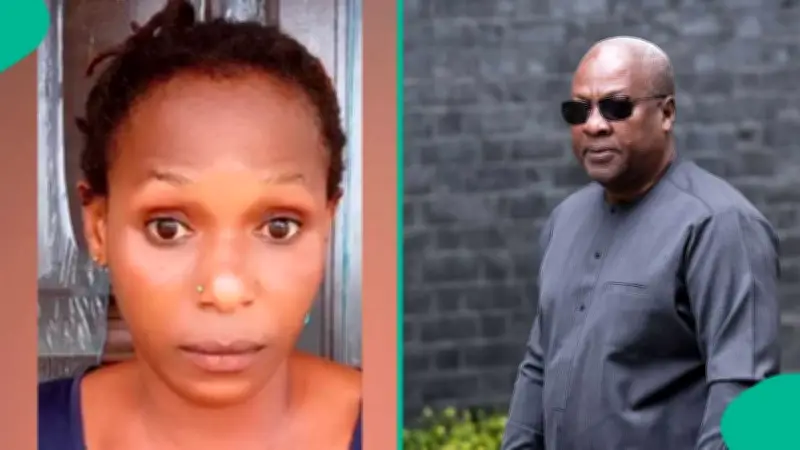
A Ghanaian court has sentenced TikToker Camilla Alhassan to 12 months in prison after she pleaded guilty to charges of offensive conduct and publication of false news. The 43-year-old content creator, who has over 70,000 followers on TikTok, posted a series of videos last month and earlier this month alleging without evidence that President John Mahama sacrificed 32 cows in a ritual to secure his victory in Ghana's 2024 general election.
Prosecutors told the court that Alhassan's videos spread widely online, amplifying their reach. She further claimed that a government scheme to distribute sanitary pads to recent flood victims was intended to cover up the alleged ritual. The presiding judge rejected a plea for leniency, ruling that a custodial sentence was necessary to deter the spread of falsehood on social media.
Ghana's Crackdown on Social Media Falsehoods
This case is not the first of its kind in Ghana. In September 2025, TikToker David Kwodwo Prah Afful, known as Kwame Nkrumah II, received a seven-month sentence for making a death threat and producing offensive content likely to cause a breach of the peace. He had published a video threatening to kill President Mahama and members of parliament.
President Mahama has been vocal about addressing online misinformation. At a press conference, he stated: "I'm sending a signal to Ghanaians that if you peddle falsehood, hate speech and make utterances to cause fear and panic, we will find you." His government has directed authorities to identify and arrest individuals spreading misinformation and disinformation online.
Legislative Moves and Rights Concerns
Communications Minister Samuel Nartey George announced last year that legislation was being developed to establish a legal framework for enforcement, while also seeking to protect free speech. Rights groups have warned that such measures risk curtailing the freedoms that underpin Ghana's reputation as one of West Africa's most open democracies, even as concerns over online misinformation continue to mount.
The case has reignited debate about misinformation, social media regulation, and freedom of expression in Ghana. Alhassan's sentence reflects the government's determination to crack down on falsehoods online, but critics argue it may stifle legitimate dissent.