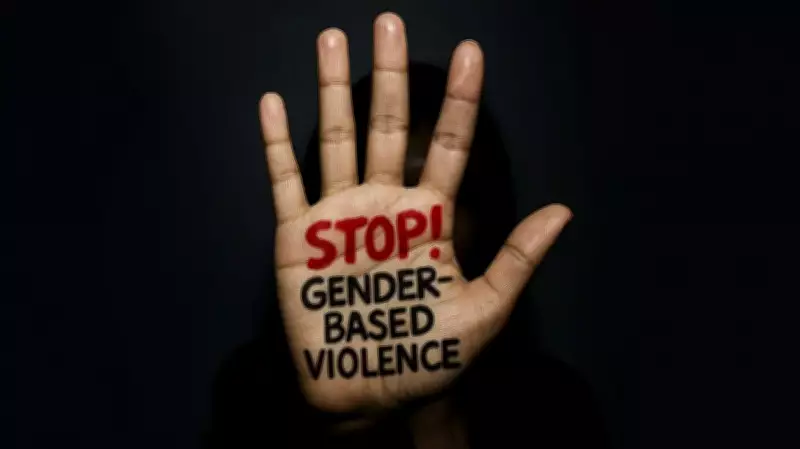
The Lagos State Government has expressed concern over the rising number of domestic violence cases, revealing that a total of 6,753 Gender-Based Violence (GBV) cases were officially documented within one year. Of these, 6,213 victims were females and 540 were males.
Commissioner's Disclosure
Commissioner of Women Affairs and Poverty Alleviation, Hon. Bolaji Cecilia Dada, made the disclosure during the Ministerial Press Briefing marking the third anniversary of Governor Babajide Sanwo-Olu's administration. She added that 2,460 survivors received justice-related support, while 3,099 victims benefited from recovery and care services. Additionally, 273 survivors were supported with livelihood assistance aimed at helping them rebuild their lives after abuse.
Preventive Actions and Prosecution
Efforts to curb violence included the implementation of 75,037 preventive actions, indicating a strong push toward awareness and intervention. However, only 116 offenders were prosecuted during the period, including one female. Reports received through contact centers stood at 340 cases, with women again accounting for the majority.
Women Empowerment Initiatives
The commissioner further stated that the administration of Governor Babajide Sanwo-Olu has empowered no fewer than 18,000 women across the state through various initiatives aimed at lifting them out of poverty and easing their responsibilities in society. Within the last year, 5,310 students graduated from the 19 Skills Acquisition Centres spread across the five IBILE divisions of the state. Through the Micro Enterprise Support Initiative (MESI), 70% of beneficiaries who are graduates have been empowered with equipment, ensuring that skills acquired translate into real businesses, financial independence, and sustainable livelihoods.
Support for Vulnerable Young Mothers
Lagos State has strengthened its support for vulnerable young mothers by providing care and empowerment opportunities for underage pregnant girls. In partnership with the Ministry of Health's Adolescent Health Division, 15 underage pregnant teenage girls have been admitted into six skills acquisition centres—Egbeda, Egan, Ibeju-Lekki, Ikorodu I, Ejigbo, and Surulere—to adequately cater for them and facilitate their reintegration into society after childbirth.
Micro Enterprise Support Initiative
Through MESI, 5,339 beneficiaries have been given tools and equipment to grow businesses, turning dreams into livelihoods and livelihoods into engines of Lagos' economic growth. Dada said, “Women, young adults and men have been beneficiaries of this programme and are drawn from across the five IBILE divisions of the state. Selected students from WAPA skills acquisition centres are also part of the beneficiaries.”
Agricultural Empowerment
Dada also highlighted the ministry's commitment to empowering women through agriculture. The Avia Farm in Badagry serves as a hub for skills development and agribusiness training. Both men and women are allocated temporary demonstration plots and trained in cassava cultivation, garri processing, tapioca, fufu production, vegetable farming, palm oil production, and fish farming. Within the last year, 1,485 women benefited from the initiative, contributing to food security, creating jobs, and strengthening resilience within the state.
Digital Marketing and E-Commerce Training
The Ministry implemented a Digital Marketing and E-Commerce Training Programme targeted at artisans, market women and men, as well as young adults across Lagos State. A total of 600 beneficiaries received Android phones to enable them commence or strengthen their digital business activities immediately after the programme.
Life Skills and Economic Empowerment Programme
Under the Life Skills and Economic Empowerment Programme (LEEP), 1,500 participants from Agbowa, Agbado, Ibeju-Lekki, and Lagos Island have benefited from short-term, four-week trainings. People with disabilities also participated. Additionally, over 1,000 widows have been supported with cash grants and empowerment materials in the last year, restoring dignity, hope, and financial independence.
Menstrual Hygiene Day Intervention
On Menstrual Hygiene Day, the commissioner noted that over 7,000 sanitary towels have been distributed to vulnerable women, school girls, and young women across the state. “Beyond the distribution exercise, sensitisation sessions were organized to break the silence around menstruation, reduce stigma, and encourage girls to remain confidently in school during their menstrual cycle,” she said.