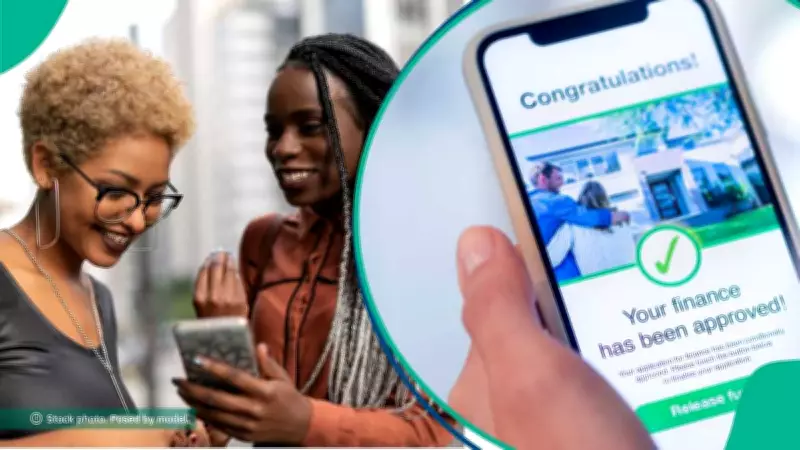
The Lagos State Government has taken decisive action against 15 money-lending firms found guilty of violating operational guidelines, engaging in unethical recovery practices, and operating without valid approvals. This crackdown is part of a broader effort to curb illegal and exploitative loan operations across the state, targeting predatory lenders who have caused distress among residents.
Enforcement Action Announced
The Lagos State Commissioner for Home Affairs, Ibrahim Layode, announced the enforcement action, emphasizing that the government is committed to protecting residents from predatory lending, harassment, and fraudulent financial activities. These practices have become increasingly common among some digital loan providers, prompting the state to step in.
According to the commissioner, the affected operators breached several regulations governing money-lending businesses in the state. As a result, immediate sanctions were imposed, and their offices were sealed to prevent further harm to vulnerable borrowers.
Reasons for Penalties
Layode explained that many of the sanctioned firms operated from undisclosed or unapproved business locations without notifying the Ministry of Home Affairs, a direct violation of state regulations. Some lenders were also accused of charging excessive and exploitative interest rates, placing borrowers under severe financial pressure.
Additionally, authorities cited abusive loan recovery methods, including harassment, intimidation, and other unethical debt collection tactics. These practices have drawn repeated complaints from residents, prompting the government to take a firm stance.
The commissioner stressed that such practices would no longer be tolerated, as the state government remains dedicated to sanitizing the informal lending sector and restoring trust in legitimate financial services.
Offices Sealed as a Warning
As part of the enforcement drive, the government sealed the offices of the affected operators. This action serves as both punishment and a deterrent to others engaging in similar activities. Officials believe that stricter enforcement will help reduce the activities of rogue lenders who exploit vulnerable borrowers through hidden charges, data privacy violations, and public shaming tactics.
Monitoring of Licensed Lenders
Lagos currently has more than 600 licensed money lenders operating across the state, according to the Ministry of Home Affairs. Authorities are actively monitoring these operators to ensure compliance with licensing conditions and ethical lending standards. Licensed lenders must renew their operating permits regularly and disclose their exact business addresses to the ministry before commencing operations.
Failure to meet these obligations can result in sanctions, suspension, or closure of their businesses.
Alignment with Federal Consumer Protection Rules
Beyond state licensing requirements, money lenders in Lagos must also comply with federal consumer protection rules enforced by the Federal Competition and Consumer Protection Commission (FCCPC). The FCCPC has repeatedly warned digital lenders against violating borrowers' privacy rights, using defamatory debt recovery methods, and engaging in predatory lending practices.
The commission mandates stronger consumer data protection measures and prohibits lenders from contacting borrowers' family members, friends, or employers as a means of public shaming.
Advice for Borrowers
Residents dealing with suspicious or abusive lenders are advised to verify whether such firms are properly licensed before taking loans. Borrowers who experience harassment, unlawful threats, or unfair charges can report such infractions to the FCCPC for investigation and possible enforcement action.
The Lagos State Government says the latest sanctions reflect its broader commitment to protecting consumers and ensuring that only transparent, licensed, and responsible lenders operate within the state.
Background on Illegal Loan Apps
The Federal Competition and Consumer Protection Commission (FCCPC) has officially blacklisted 45 loan apps in Nigeria as of January 2026. These apps are considered illegal because they failed to comply with the Digital Lending Regulations, exposing users to risks such as harassment, data misuse, and predatory lending practices. Nigerians are strongly advised to avoid these apps and use only FCCPC-approved lenders.