LAWMA Street Sweepers Expose Daily Dangers and Public Hostility in Lagos
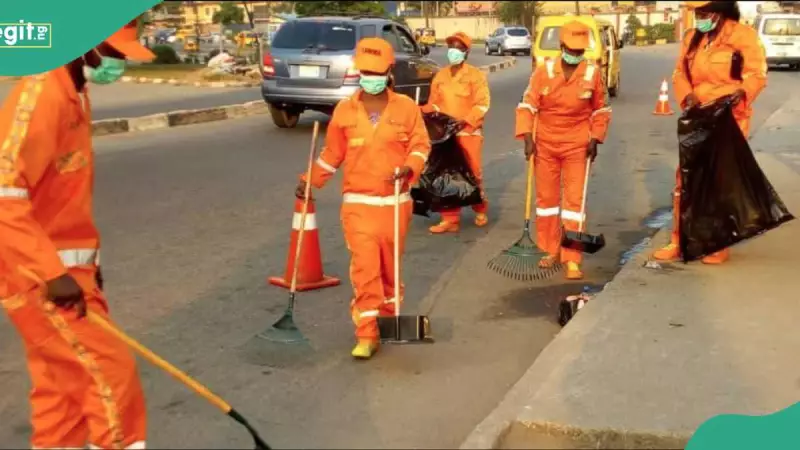
Street sanitation workers employed by the Lagos Waste Management Authority have broken their silence about the persistent harassment, unsafe working conditions, and disturbing waste materials they encounter daily while maintaining cleanliness across Nigeria's commercial capital. These frontline workers described facing threats from residents and motorists, being forced to repeat cleared work, and handling hazardous materials under inadequate safety provisions.
Daily Humiliation and Threats from Public
During a recent appearance on The Morayo Show, several LAWMA sweepers shared their experiences of what they termed daily humiliation and neglect despite their crucial role in maintaining public health and urban cleanliness. Kafilat, one of the sanitation workers, recounted frequent clashes with motorists who park indiscriminately along roadsides, obstructing assigned sweeping routes and directing workers to alternative locations that fall under other sweepers' jurisdictions.
Olatitoye Adeola described confrontations with residents who deliberately dump refuse on already cleared roads. "When we caution them, they are ready to beat us," she revealed, adding that some residents justify their actions by claiming waste collection trucks missed their refuse, even when collections had been completed properly.
Disturbing Waste Materials and Safety Risks
The sanitation workers disclosed handling particularly disturbing waste materials as part of their daily duties. Fatimo Akinduro revealed that sweepers are sometimes required to clear ritual items and human remains from Lagos roads. "Sometimes we pack dead babies wrapped in polythene bags, and dead goats," she stated, explaining that authorities are contacted whenever human bodies are discovered during sanitation operations.
Taiwo Ologunro highlighted how sweepers are often forced to repeat the same work because traders and residents quickly litter areas that have just been cleared. "It is the elites in Lagos that dirty the roads," she asserted, pointing to a pattern of disregard for sanitation efforts. She also raised concerns about open defecation on highways and inner roads, noting that sweepers sometimes handle human faeces manually under harsh and unsanitary conditions.
Healthcare Discrimination and Physical Dangers
Beyond waste handling challenges, the sweepers described facing discrimination in healthcare facilities and physical dangers on the job. Kehinde Ajibade shared her experience of stigma when visiting a general hospital while wearing her uniform. Kalejaiye Adenike added that some residents deliberately dump refuse directly on sweepers and provoke confrontations, creating an atmosphere of constant tension.
Victoria Bamgbose spoke about harassment from hoodlums and roadside sellers who intentionally dirty areas that have just been swept. These revelations come against the backdrop of a recent tragedy where a female street sweeper lost her life in a traffic accident along Meran Road, inward Iyana Ekoro, Lagos, highlighting the physical risks inherent in their work.
LAWMA Management Response and Interventions
Responding to these concerns during the program, LAWMA Managing Director Muyiwa Gbadegeshin acknowledged the significant risks sweepers face daily. He announced that the Lagos State Government had approved health insurance coverage for all sanitation workers under the authority's employment. "Mr Governor approved health insurance enrollment for every single sweeper, 16,000 of them," Gbadegeshin confirmed.
The managing director warned residents against illegal dumping practices and disclosed that approximately 1,000 offenders were arrested last year, with hundreds successfully prosecuted. He also revealed that CCTV cameras are being deployed to track reckless drivers who endanger sweepers' lives during sanitation operations.
Gbadegeshin made an emotional appeal for public empathy toward sanitation workers, stating, "We are all human beings. Whether you are a sweeper, a doctor or a big man, we are all the same. Everybody matters." This statement underscored the fundamental human dignity often denied to these essential workers.
Broader Implications for Urban Sanitation
The discussion exposed not only the physical demands of keeping Lagos clean but also the significant social burden borne daily by those tasked with this essential service. The revelations highlight systemic issues in public attitudes toward sanitation workers and the hazardous nature of waste management in Nigeria's largest city.
As Lagos continues to grow as a megacity, the treatment of sanitation workers and the conditions they face raise important questions about urban management, public health infrastructure, and social equity. The workers' testimonies serve as a stark reminder of the human cost behind the city's cleanliness and the urgent need for both institutional support and public behavioral change.