Life Imprisonment for Assassin of Former Japanese Leader Shinzo Abe
The individual responsible for the assassination of Japan's former Prime Minister Shinzo Abe using a homemade firearm has been sentenced to life in prison, according to reports from Japanese public broadcaster NHK. This verdict concludes a trial that captivated Japan, a nation where gun violence remains exceptionally uncommon, and reignited debates about the influence of religious organizations.
The Assassination and Trial Details
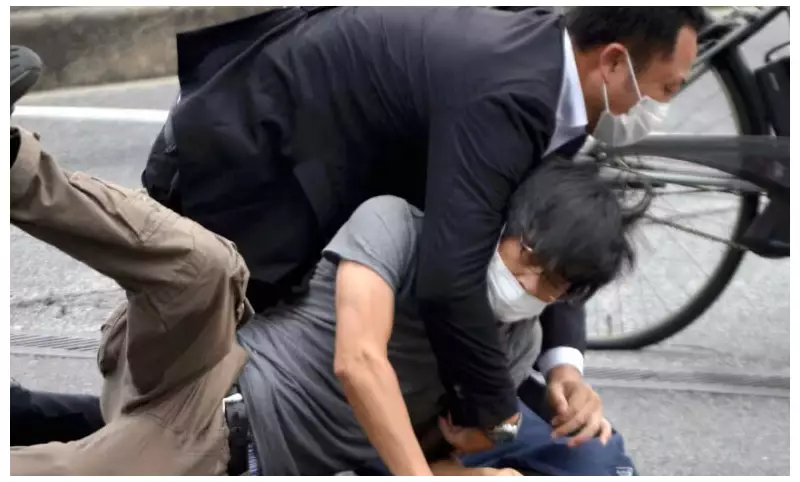
Tetsuya Yamagami, now 45 years old, carried out the attack in 2022 while Abe was delivering a campaign speech on a street in Nara, a city in western Japan. Yamagami utilized a firearm he had constructed himself at home, striking the former leader in broad daylight. Following his immediate arrest at the scene, Yamagami was formally indicted the subsequent year on charges of murder and illegal firearms possession.
During the sentencing, Judge Shinichi Tanaka strongly condemned the premeditated nature of the killing. He described it as a "despicable act" where the perpetrator waited for an opportunity and targeted the victim with a gun. The judge emphasized the devastating outcome, noting that Abe's widow, Akie, continues to endure profound grief from her husband's sudden death. He further characterized the attack as an "extremely dangerous and malicious act" executed with a firearm amidst a crowd.
Public and Political Repercussions
The trial drew significant public attention, with hundreds of people gathering outside the Nara District Court. Authorities implemented a lottery system to manage the limited seating available in the courtroom. Shinzo Abe, who served as prime minister from 2006 to 2007 and again from 2012 to 2020, was Japan's longest-serving leader. His tenure is often viewed as a period of political stability, during which he reshaped security policies, expanded military roles, and strengthened international alliances.
His assassination sent shockwaves throughout Japan and the global community, highlighting the rarity of gun-related crimes in a country with stringent firearms regulations. The event also triggered political turmoil domestically. Since Abe's resignation, Japan has experienced frequent leadership changes, while his Liberal Democratic Party faced scandals, economic challenges, and growing public dissatisfaction.
Religious Sect Connections and Legal Arguments
The case brought renewed scrutiny to the relationship between the ruling party and the Unification Church. Yamagami stated that he blamed the church for his family's financial ruin due to excessive donations made by his mother, a sect member. He targeted Abe because he believed the former leader had connections to the organization.
Subsequent government investigations found that the church had violated regulations by pressuring followers into making large donations, leading a court to order its dissolution last year, though the church has appealed this decision. Investigations revealed that more than half of ruling party lawmakers had ties to the church, with several senior figures admitting to receiving election support from its members. These revelations fueled public outrage and contributed to the party losing its parliamentary majority.
In court, prosecutors argued for a life sentence, describing the assassination as an "extremely grave incident that is unprecedented in post-war history." Defense lawyers, however, pleaded for leniency, citing the severe damage inflicted on Yamagami's family by the religious group's actions.