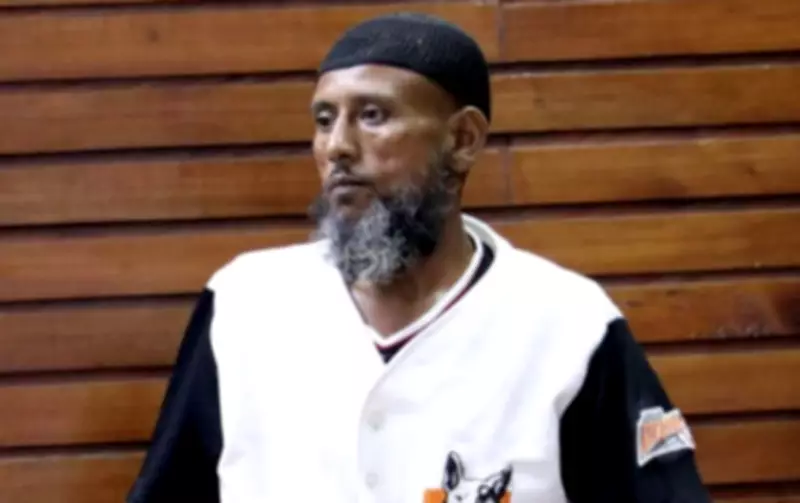
Kenyan Truck Driver Seeks Mercy After Murdering Wife Over Instagram Account
The High Court in Mombasa, Kenya is currently weighing a plea for leniency from Murad Awadh Mbarak, a 40-year-old truck driver convicted of murdering his wife, Nuru Ibrahim. Prosecutors are vigorously opposing any reduction in punishment, insisting on the maximum sentence ahead of the scheduled sentencing next month.
Remorseful Plea from the Convicted Husband
On January 27, 2026, Mbarak addressed the court, expressing deep remorse for his actions. He stated that his four years in custody had fundamentally changed him, describing the experience as a profound lesson. "I'm sorry. I regret my actions," he told the court, adding, "Spending four years in prison has been a great lesson for me, and I ask for forgiveness for my sins." Mbarak emphasized that he had no family or home to return to, pleading for either a reduced sentence or his release.
Prosecution's Opposition and Gruesome Details
The prosecution strongly opposed any leniency, characterizing the killing as both deliberate and exceptionally violent. Prosecutors revealed that Ibrahim, a mother of six, was stabbed multiple times during an attack that unfolded in front of her children and neighbors. They detailed how Mbarak actively prevented neighbors from intervening, resulting in one person being injured while attempting to gain access to the house to help.
Background of Marital Strife and Financial Disputes
The court heard that the couple's marriage had been strained by ongoing financial disputes and persistent conflict. Evidence presented showed that Ibrahim had sold her personal jewelry to help finance the construction of their family home, which was later registered solely in her husband's name. Additional tension arose from disagreements over a debt involving her brother, further exacerbating the marital discord.
Instagram as a Catalyst for Violence
Witness testimony indicated that relations deteriorated significantly after Ibrahim joined Instagram, a move her husband viewed negatively. Family members recounted that Ibrahim had expressed genuine fear for her safety and had spoken openly about leaving the marriage. Days before her tragic death, she reportedly left personal documents and belongings with her sister, suggesting she was actively preparing to separate from her husband.
Threats and the Fatal Attack
The court was informed that Mbarak had previously threatened to kill his wife or release intimate photographs if she attempted to leave him. On the night of June 19, 2022, at the family home in Kanamai, Kilifi County, the couple's 11-year-old daughter testified that she was awakened by her mother's screams. She witnessed her father assaulting her mother with a broken piece of wood before proceeding to stab her. Neighbors who responded to the disturbance confirmed they were blocked from entering the house during the attack.
Investigation and Court Findings
Police arrested Mbarak after he surrendered following the incident. Forensic analysis conclusively showed that blood found on his clothing and on a knife matched the victim's DNA. The court rejected Mbarak's claim that an intruder was responsible, instead finding that the attack was premeditated and carried out with clear intent. In a judgment delivered in November, the court ruled that the prosecution had proven all elements of murder beyond reasonable doubt.
During the trial, ten witnesses, including relatives and neighbors, provided testimony describing a relationship marked by repeated disputes and threats that frequently required family intervention. The case highlights the tragic consequences of domestic violence and control issues within marital relationships.