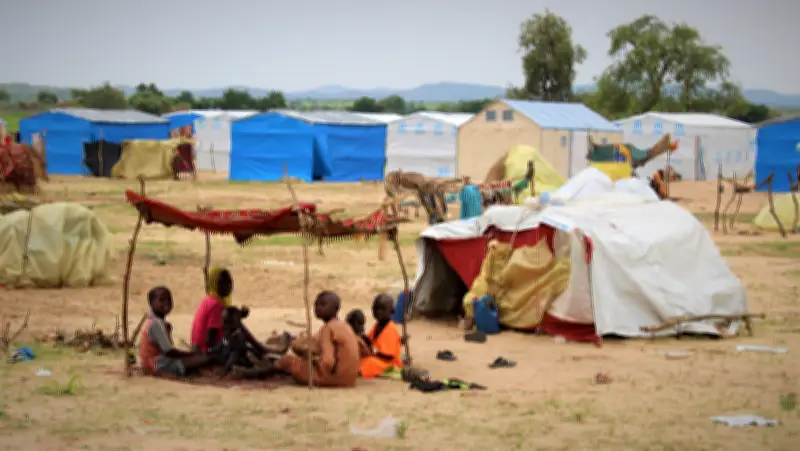
Doctors Without Borders, the international humanitarian organization also known by its French initials MSF, has uncovered widespread sexual exploitation and abuse of Sudanese women and girls living as refugees in Chad. The aid group conducted an internal investigation that found women and minors were compelled by locals and some foreign staff to trade sex for food, water, milk, and jobs. Some women were also forced into prostitution.
Investigation Findings
The investigation, conducted between 2024 and 2025, was prompted by a 2024 Associated Press report that documented sexual exploitation of Sudanese women by local officials. MSF completed the internal analysis last July, but the findings were not made public until Saturday, when AP first reported them. MSF acknowledged that the abuse was more widespread than previously reported.
MSF found 59 allegations of abuse and misconduct, representing what it described as a serious breach of its values and responsibilities. The organization stated that it deeply regrets the harm caused. However, the number of cases is likely higher, as some victims were unwilling to speak out of fear of losing access to care.
Specific Cases
One case involved the abduction of seven refugee girls who were placed in an MSF vehicle under the pretense of being taken to water distribution and construction sites but were instead taken elsewhere and exposed to sexual abuse. In another instance, female Chadian staff were threatened with losing their jobs if they refused to have sex with supervisors or colleagues.
MSF Response
MSF stated that at least 18 staff members have been dismissed and barred from future employment since the investigation. The organization admitted that it was unaware of most of the abuse allegations until they were uncovered through AP's reporting.
MSF's internal report noted that weeks of abuse-prevention training for staff and community leaders in 2023 had only a short-lived impact, which was attributed to high staff turnover. The report also highlighted that urgent staffing needs and inadequate reference checks led to the recruitment of individuals with prior records of misconduct or abuse.
Recommended Measures
The investigation recommended several measures, including clearly communicating standards of conduct to staff, strengthening reference-check procedures during recruitment, and establishing a single, effective database of employees deemed ineligible for rehiring.