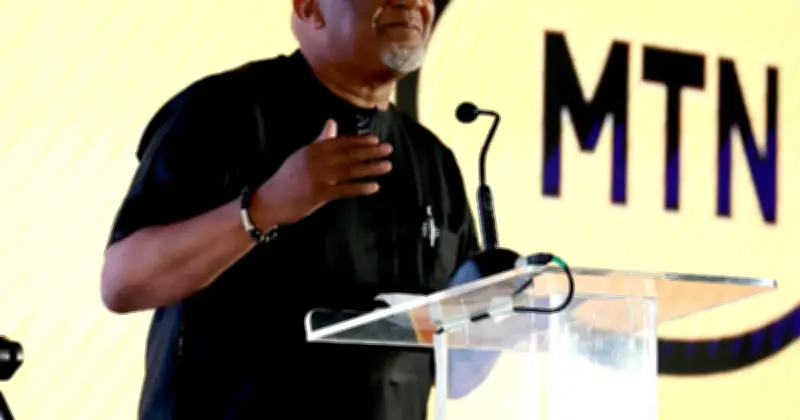
MTN Group Chairman Mcebisi Jonas has strongly condemned rising xenophobia in South Africa, declaring that the country "is nothing without the rest of Africa." He made the remarks while delivering a eulogy at the funeral of Thokozani Damasane, a Zimbabwe-born public servant and activist remembered for his contributions to South African civic life.
Jonas blames state failures, not migrants
Jonas pointed to failures within the South African state as the real driver of public frustration, citing weak border control, a struggling justice system, and a deteriorating education sector. He accused unnamed politicians of stoking anti-migrant anger for political gain ahead of elections, describing some of them as lacking "credibility whatsoever."
Historical roots of division
Jonas linked the current wave of hostility to a longer historical pattern, arguing that tribalism and ethnic division were tools first sharpened during the colonial era to keep Africans fractured and easier to control. His comments arrive at a tense moment for migration politics in South Africa.
More than 15,000 Malawians processed for repatriation
Authorities have reportedly been processing more than 15,000 Malawian nationals for repatriation, ahead of planned anti-migrant demonstrations. Security has also been ramped up nationwide as a separate deadline tied to undocumented migrants approaches. The timing has added weight to Jonas' remarks, with growing concern that South Africa's domestic immigration tensions are beginning to affect its standing elsewhere on the continent.
Economic and cultural repercussions
Reports have linked rising anti-migrant sentiment to cooling support for South Africa among Africans in music and other revenue-generating activities. Jonas, a former Deputy Minister of Finance, is one of the most senior business figures to publicly weigh in on the xenophobia debate, lending corporate weight to the conversation.
Social media reactions split
His remarks have circulated widely on social media, with reactions split between support for his criticism of state failure and pushback from those who feel foreign nationals strain local resources and job markets. The funeral setting, paired with the bluntness of his comments, has placed Jonas' intervention firmly inside South Africa's ongoing reckoning with migration, identity, and economic anxiety.