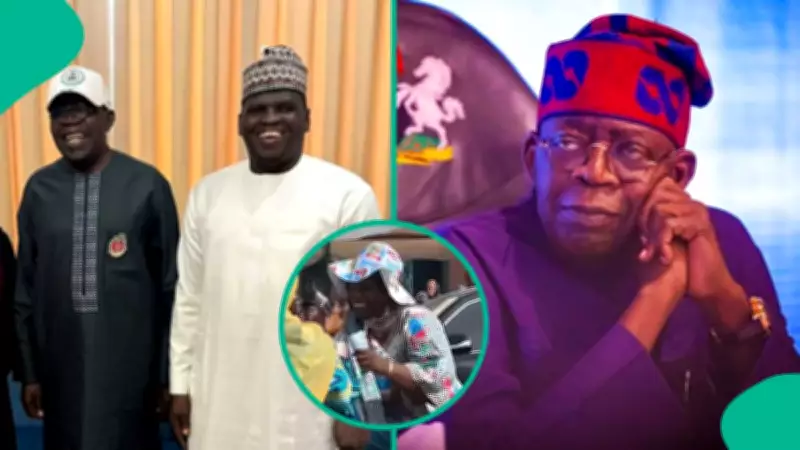
Naira Abuse Scandal Mars President Tinubu's Official Visit to Adamawa State
President Bola Ahmed Tinubu's recent one-day working visit to Adamawa state has been overshadowed by a significant controversy involving the alleged abuse of the Nigerian currency. The official engagement, which included project commissioning and commendations for Governor Umaru Fintiri, was intended to highlight governmental achievements and foster political goodwill.
Viral Video Captures Moment of Alleged Currency Violation
However, public attention swiftly diverted from the scheduled events when a video began circulating across various social media platforms. The footage vividly captures a woman dressed in attire branded with the All Progressives Congress logo stepping forward from the spectator section during a musical performance. As popular singer Dauda Kahutu Rarara performed his hit song "Omo Ologo" in the president's presence, the woman proceeded to spray multiple N1,000 denomination notes directly onto the performer.
This act of money spraying occurred despite clear legal prohibitions against such practices under Nigerian law. Section 21 of the Central Bank of Nigeria Act explicitly criminalizes the spraying, stepping on, or using of naira notes as decorative props during celebrations and events. The Central Bank has further reinforced these regulations through its Clean Note Policy, which aims to preserve the integrity and circulation quality of the national currency while discouraging behaviors that prematurely degrade banknotes.
Public Outrage and Demands for Regulatory Action
The viral dissemination of this incident has triggered substantial public backlash, with numerous Nigerian citizens expressing their frustration and demanding immediate intervention from anti-corruption authorities. Many social media commentators have specifically called upon the Economic and Financial Crimes Commission to investigate this apparent violation and apply appropriate legal sanctions.
The timing of this incident is particularly sensitive given recent high-profile enforcement actions against naira abuse. In 2024, crossdresser Bobrisky received a prison sentence for similar currency violations, establishing a precedent for legal consequences. This context has amplified public perceptions of potential double standards in law enforcement, with many questioning whether political connections might influence regulatory responses.
Social Media Reactions Highlight Widespread Discontent
Online commentary regarding the incident has been overwhelmingly critical, reflecting broader societal concerns about equitable application of laws:
- User antisocial_social_butterfly remarked: "The Ankara is her shield against EFCC arrest," suggesting political attire might provide protection from consequences.
- chinenye_emmaculate questioned: "I thought EFCC was arresting people who spray the naira note on the ground????" expressing confusion about enforcement consistency.
- bankslomo observed: "Country of double standard, the rich and the poor have diff laws that apply to them," highlighting perceived socioeconomic disparities in justice.
- DonLove07 commented: "They don't respect the law themselves. The law only affects the poor and their opponents. Animals in human skin people," conveying strong criticism of perceived hypocrisy.
- marveledbygt noted: "Openly spraying naira in front of the administration that banned it and have prosecuted people for it…" emphasizing the brazen nature of the violation.
Historical Context and Broader Implications
This incident occurs against the backdrop of Rarara's own complex political history. The singer previously gained attention for criticizing former President Muhammadu Buhari's administration in his musical work, specifically addressing perceived failures in protecting citizens' lives and property. This historical context adds layers to the current controversy, as Rarara now performs before President Tinubu while a supporter engages in legally questionable behavior.
The controversy raises significant questions about public compliance with currency regulations during official governmental events. It also highlights ongoing challenges in consistent law enforcement, particularly when alleged violations occur in politically charged environments with high-profile attendees. As the video continues to circulate and public pressure mounts, attention now turns to whether regulatory bodies will initiate formal investigations and what consequences, if any, might follow this very public display of alleged naira abuse.