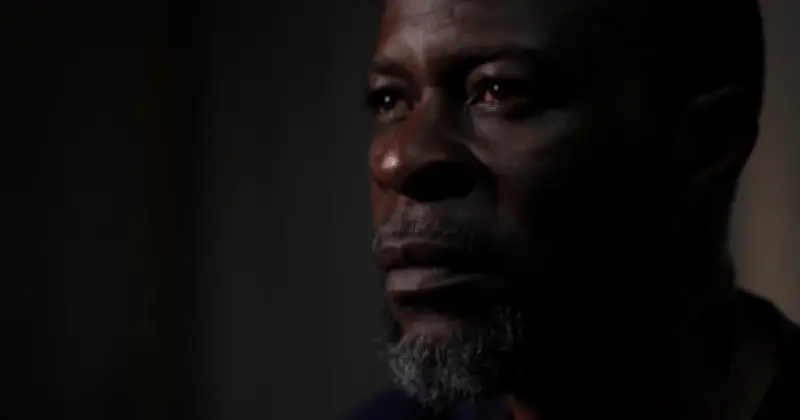
Nigerian businessman Richard Itoro has been forced to flee South Africa amid escalating anti-migrant protests, leaving behind his wife and twin children, with no certainty about when he will see them again. The 47-year-old, who had built a life in Johannesburg over 15 years, including a successful car dealership and a family home, said he feared for his life as hostility towards foreigners intensified.
A Painful Departure
Itoro was among thousands of foreigners who took voluntary repatriation flights organized for migrants seeking to return to their home countries. He described the moment of leaving his wife as heartbreaking, saying, "It was painful for me to leave the person who's my best friend." His wife, a South African, faced intimidation because of her marriage to a Nigerian. Neighbors reportedly told her, "You're married to a Nigerian. Those of you who are married to Nigerians we are supposed to arrest you people. You guys betrayed us. Go and leave the country with your husband and don't be here."
Itoro, who showed the BBC documents proving his legal right to remain in South Africa, said his legal status did not protect him from harassment. He recounted, "My family was just a small family, which was beautiful and peaceful. I had no issues with anybody." But the pressure became unbearable, and he decided that leaving was safer than staying. "If I go home and start all over again, it's better than being here, being harassed, being scared for my life," he said.
Unable to Take Family
However, his departure came with another painful reality: he could not take his wife and children with him. Nigerian authorities did not allow his South African wife and children to travel on the repatriation flight. Itoro likened the experience to watching someone take the final helicopter flight out of a city under siege. "I wish I could have just begged the people from the embassy and said: 'This is my wife, I can't leave her behind and my kids,' but I couldn't," he said.
The anti-migrant protests were driven largely by groups calling for undocumented foreigners to leave South Africa. Some campaigners argued that migrants were contributing to unemployment and putting pressure on resources. South Africa's Culture Minister Gayton McKenzie told the BBC that the country remains open to migrants who enter legally. "We say South Africa is open to our brothers on the continent but come here legitimately. Come with your papers," he said.
Diplomatic Tensions Rise
However, Itoro's experience contradicts this stance, as he had valid documents yet still faced hostility. Nigeria's Minister of State for Foreign Affairs, Sola Enikanolaiye, confirmed that Nigerians with legitimate papers had been targeted. The situation has heightened diplomatic tensions between South Africa and other African countries, with officials questioning the treatment of migrants from across the continent.
Itoro is now back in Lagos, separated from his family but hoping for a reunion soon. "It's not easy. But we talk every day, and I'm broken," he said. "There is hope, because my wife is going to join me very soon, as soon as God lifts me up. But it was heartbreaking, and that's how I felt: like I lost everything."