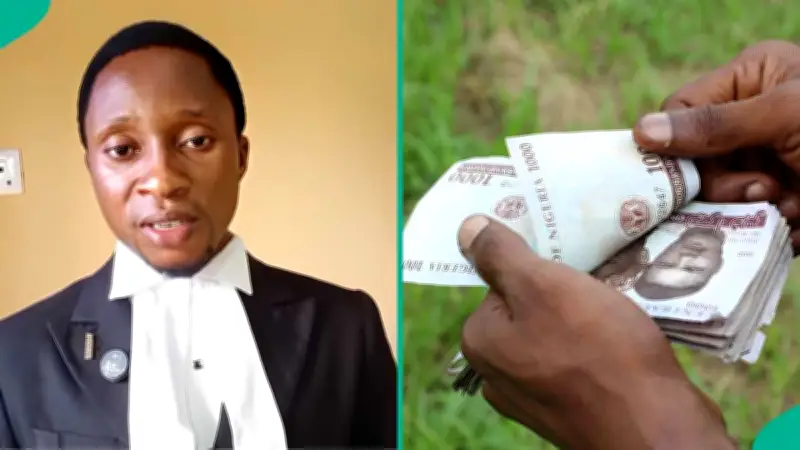
Nigerian lawyer S.O. Folagboye Esq. has provided guidance to Nigerians who receive threatening calls from loan applications regarding debts owed by their contacts. The advice, shared on social media, addresses a growing problem where digital lenders use aggressive tactics to recover loans, often contacting people who are not the actual borrowers.
Legal Perspective on Third-Party Harassment
Folagboye explained that loan apps accessing a user's contact list without explicit consent may violate Nigeria's data protection regulations. He stated that individuals who are not debtors have no legal obligation to repay the loan or endure harassment. According to the lawyer, such calls constitute an invasion of privacy and could be reported to authorities.
He recommended that recipients of these calls first demand that the loan app remove their contact information from the debtor's file. They should also formally request that the company cease all communication, citing their lack of involvement in the loan agreement. If harassment continues, Folagboye advised filing a complaint with the Nigeria Data Protection Commission (NDPC) or the Federal Competition and Consumer Protection Commission (FCCPC).
Rising Concerns Over Loan App Practices
The lawyer's statement comes amid widespread complaints about unethical debt collection methods by some digital lenders. Many Nigerians have reported receiving abusive messages, threats, and even public shaming via contact lists. In extreme cases, loan apps have sent fabricated images to embarrass debtors or their associates.
Folagboye emphasized that no one should be held liable for a debt they did not incur. He urged affected individuals to document all interactions, including call logs and messages, as evidence for potential legal action. He also warned against paying any amount under duress, as this could set a precedent for further exploitation.
Public Reactions and Shared Experiences
Many Nigerians who encountered the lawyer's post shared their own stories of harassment by loan apps. Some recounted instances where they were repeatedly called despite never using the lending service. Others noted that their contacts had been harassed due to unpaid loans, straining personal relationships.
One commenter stated that they had successfully stopped the calls by threatening to report the app to the police. Another suggested that the government should enforce stricter regulations on how loan apps handle user data. The discussion highlights a broader demand for accountability and transparency in the digital lending sector.
Steps to Protect Yourself
Folagboye outlined a clear action plan for those facing such harassment. First, inform the caller that you are not the debtor and request removal from their database. Second, block the number and report it as spam. Third, if the harassment persists, file a formal complaint with the NDPC or FCCPC. He also recommended consulting a lawyer if the situation escalates to threats or defamation.
The lawyer concluded by reminding Nigerians that they have rights under the Nigerian Data Protection Regulation (NDPR) and the Consumer Protection Act. He encouraged victims to speak out and seek legal redress, as silence only emboldens unethical lenders.