Tragic Building Collapse in Cyprus Claims Life of Nigerian Man
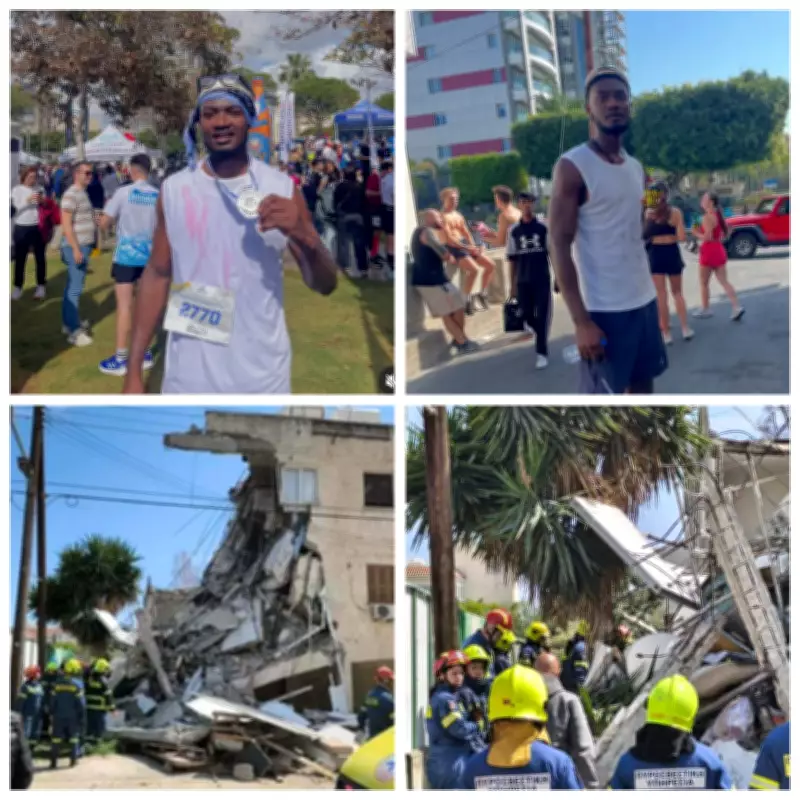
A devastating structural failure in Limassol, Cyprus, has resulted in the death of a 27-year-old Nigerian man identified as Stanley. The incident unfolded on Easter Saturday, April 11, 2026, when a section of a four-storey residential building on Aeschylou Street in the Germasogeia area collapsed around 1:30 p.m.
Details of the Incident and Emergency Response
Stanley had just returned home from a morning run shortly before the collapse. The building, which housed residents primarily of African and Egyptian origin, contained eight or nine flats, with an estimated four occupants per unit. Preliminary reports suggest approximately 20 people lived across 10 to 11 apartments, raising concerns about the exact number present during the incident.
Witnesses initially mistook the loud noise of the collapse for explosions from traditional Easter bonfires associated with Resurrection celebrations. Fortunately, some residents managed to evacuate in time, while others were away when the tragedy struck.
The collapse triggered a massive emergency response involving firefighters, police, EMAK, and civil defence units. Rescue dogs were deployed to assist in search operations. The first victim's body was recovered around 5:30 p.m., with a second recovered hours later. Three injured individuals were transported to hospital and are reported to be out of danger.
Friend Reveals Hazardous Living Conditions
Joanna Yiorkatzi, a close friend of Stanley who knew him as Dex, provided harrowing details about the building's condition. She described the living situation as "appalling," alleging that the landlord ignored repeated safety warnings from tenants.
According to Yiorkatzi, the apartment had holes in the ceiling with exposed metal bars hanging over the living area. Stanley and his roommates had informed the landlord about the deteriorating ceiling and lack of electricity, forcing them to rely on candles for illumination. Despite these hazardous conditions, Stanley consistently paid his rent on time.
Yiorkatzi, who may have been the last person to speak with Stanley, had picked him up for their weekly run through a marathon club they both attended. She dropped him home at approximately 1:00 p.m., just minutes before the collapse. "Ten minutes passed and he sent me a message thanking me for the lift. Then the disaster happened," she recounted. "I kept calling him, but he didn't answer."
Allegations of Negligence and Heroic Actions
Yiorkatzi further claimed that one survivor, Raphael, told her Stanley died because he stayed behind to help others escape instead of fleeing immediately. This account highlights potential heroic actions amid the chaos.
The friend also shared Stanley's personal background, revealing that he moved to Cyprus legally seeking a better future. He worked for a solar panel company and was financially supporting his mother and six siblings in Nigeria. "It is very tragic that these people come to our country for a better future and experience all of this," Yiorkatzi stated. "We are all human; I have nothing else to say."
Residents in the area confirmed that the apartment block had been deemed unfit for habitation, raising serious questions about building safety standards and regulatory oversight. The incident underscores broader concerns about housing conditions for foreign residents in Cyprus and the urgent need for improved safety protocols.