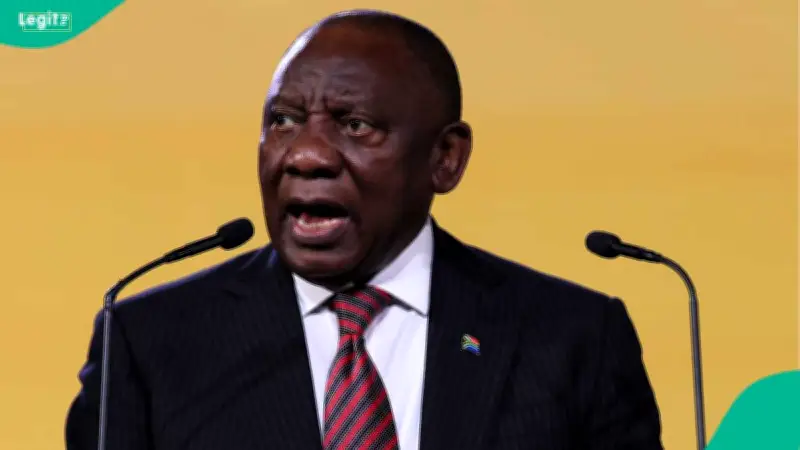
South African President Cyril Ramaphosa on Monday, June 29, 2026, urged calm as a controversial June 30 deadline for undocumented migrants to leave the country looms, warning that grievances cannot be resolved through intimidation, threats, or ultimatums. The statement represents a significant intervention amid a crisis that threatens South Africa's diplomatic relations with other African nations.
Background of Xenophobic Tensions
Recent intimidations in South Africa are not the first against immigrants in the Rainbow Nation. Episodes of xenophobic violence, often directed primarily at nationals from Nigeria, Zimbabwe, Mozambique, Malawi, and other African countries, have been reported throughout the post-apartheid period, with severe outbreaks recorded in 2008, 2015, and 2019. African governments have taken steps, with Nigeria and Ghana summoning South African envoys following attacks on their nationals.
The current unrest has grown out of campaigns against undocumented migrants led by groups including the March and March movement and Operation Dudula, whose name in Zulu roughly translates as “push back” or “force out.” Operation Dudula has targeted foreign-owned businesses, stopped people in the streets to check identification documents, and sought to block foreign nationals from accessing public hospitals.
Key Figures and the June 30 Deadline
A June 30, 2026, deadline has been set by activists demanding that undocumented migrants leave South Africa, according to Al Jazeera. Another leading figure is Nkosikhona Ndabandaba, known as “Phakel’umthakathi.” With more than 1.7 million Facebook followers, he has mobilised demonstrations featuring men dressed in traditional Zulu warrior regalia and told CNN he was the architect of the June 30 deadline.
In his official statement, President Ramaphosa cautioned that the exercise of rights by any citizen must be determined through democratic institutions, evidence, and the rule of law. He highlighted steps his government has been taking to address the concerns of anti-immigrant activists.
Ramaphosa Promises Immigration System Overhaul
“Government has accepted that our immigration system requires substantial reform. We are strengthening border management, increasing enforcement against undocumented immigration, improving the integrity of the asylum and visa systems, and taking action against corruption that has weakened immigration control,” Ramaphosa said. “We also recognise that where our systems have failed, they must be corrected. Where corruption has enabled illegal immigration, those responsible must be held accountable. Where enforcement has been inadequate, it must improve.”
Warning against violence, the South African leader stated: “Where there is criminal conduct, those responsible will be held accountable and the law will take its course. We must reject the idea that acts of violence or intimidation are justified on the basis of a grievance, for political reasons, or because those who commit such acts claim they were somehow provoked.”
Rights of Lawful Foreign Nationals
Ramaphosa emphasised that some foreign nationals who live in South Africa are lawfully present. “They work, study, raise families, invest in our economy and contribute positively to our society. They too are entitled to the protection of our laws and our Constitution,” he said. “We welcome the assurances by some of the organisers of the planned protests that they stand against violence on the part of their supporters. They will be held to this undertaking, because no cause, no matter how legitimate, will be an excuse to shift responsibility for violent acts.”
Earlier, Legit.ng reported that former Nigerian Vice President Atiku Abubakar criticised President Bola Tinubu's alleged sluggish response to xenophobic attacks on Nigerians in South Africa. Atiku highlighted Ghana's purported decisive action compared to Nigeria's seemingly hesitant approach and urged the ministry of foreign affairs to prioritise urgency in protecting citizens abroad.