NAFDAC Survey Exposes Alarming Underage Alcohol Consumption in Rivers and Lagos
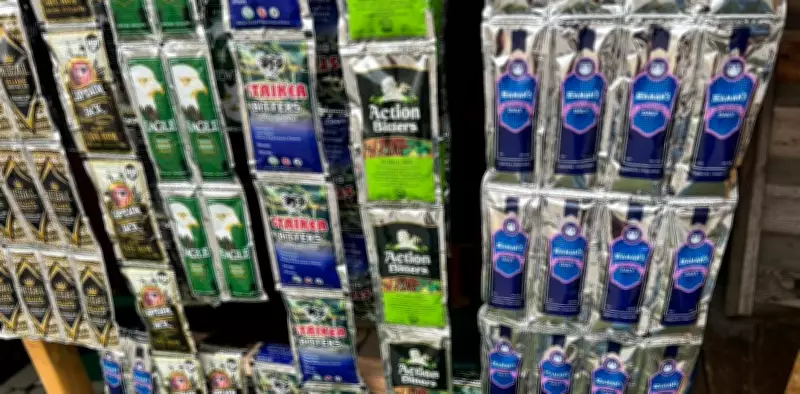
A comprehensive nationwide survey conducted by the National Agency for Food and Drug Administration and Control has identified Rivers and Lagos states as the leading regions where minors and underage persons consume alcoholic beverages sold in sachets and Polyethylene Terephthalate bottles. The study, which provides critical insights into youth substance abuse patterns, highlights a growing public health concern across Nigeria.
Survey Methodology and Key Findings
The research was carried out by NAFDAC in collaboration with the Distillers and Blenders Association of Nigeria, with fieldwork executed by Research and Data Solutions Ltd based in Abuja. Covering 1,788 respondents across six states between June and August 2021, the survey examined alcohol access and drinking frequency among three distinct age groups: minors below 13 years, underaged persons aged 13 to 17 years, and adults aged 18 years and above.
Presenting the findings on Tuesday, February 3, the Director-General of NAFDAC, Professor Mojisola Adeyeye, emphasized that alcohol remains "one of the most widely used substances of abuse among youths". She further noted that "the availability and easy access to alcohol have been identified as a contributory factor to the increasing alcohol consumption among minors."
State-by-State Consumption Patterns
The report reveals stark geographical disparities in underage alcohol consumption:
- Rivers State recorded the highest rates, with 68.0% of underage respondents consuming alcohol in sachets and 64.5% in PET bottles.
- Lagos State followed closely with 52.3% sachet consumption and 47.7% PET bottle consumption.
- Kaduna State showed lower but still significant rates at 38.6% for sachets and 28.4% for PET bottles.
Alarmingly, 54.3% of minors and underage respondents obtained alcohol by themselves, with nearly half (49.9%) purchasing drinks in sachets or PET bottles directly.
Demographic and Access Patterns
The survey uncovered important demographic variations in consumption habits:
- Males showed higher sachet alcohol procurement rates (51.4%) compared to females (41.5%).
- Rural areas recorded higher consumption (50.1%) than urban locations (45.3%).
- Among self-purchasing underage drinkers, 47.2% of minors and 48.8% of underaged persons bought drinks in sachets.
- For PET bottles, 41.2% of minors and 47.2% of underaged respondents procured alcohol through this packaging.
Beyond direct purchase, minors accessed alcohol through multiple channels:
- Friends and relatives (49.9%)
- Social gatherings (45.9%)
- Parents' homes (21.7%)
Drinking Frequency and Regulatory Recommendations
The study examined how frequently underage persons consume alcohol:
- 63.2% of minors and 54.0% of underaged persons were occasional drinkers.
- Concerningly, 9.3% of minors and 25.2% of underaged respondents reported daily alcohol consumption.
The report calls for urgent regulatory interventions, stating that "access to alcohol by children can be limited if pack sizes that can be easily concealed are not available." It specifically recommends "a ban on small pack sizes, including sachets and bottles below 200 millilitres" to reduce underage drinking.
Community Responsibility and Policy Implications
NAFDAC emphasizes that addressing this crisis requires collective action. The report urges parents, teachers, religious leaders, and communities to take responsibility, warning that "consumption of alcohol by children should raise alarm for parents, teachers, religious leaders and the community at large."
The findings underscore the need for stronger policy interventions and sustained public awareness campaigns to curb underage drinking in both urban and rural communities across Nigeria. This comprehensive data provides evidence-based guidance for developing targeted strategies to protect Nigerian youth from the dangers of early alcohol exposure.