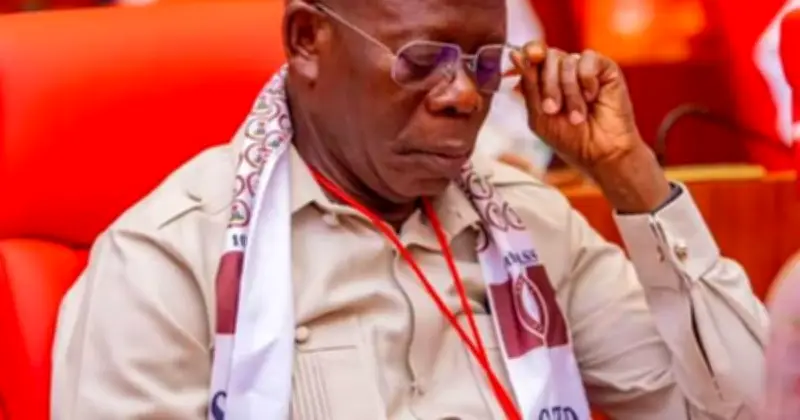
Senate Rejects Retaliatory Economic Measures
The Nigerian Senate has decisively rejected a proposal by Senator Adams Oshiomhole to seize the profits of major South African companies operating in Nigeria, including MTN, DStv, and Stanbic IBTC Bank, as compensation for victims of recent xenophobic attacks in South Africa. Instead, the upper legislative chamber has opted for a diplomatic approach, mandating a thorough investigation and formal security assurances from the South African government.
Oshiomhole's Proposal and the Xenophobia Crisis
Senator Oshiomhole made the proposal during Tuesday's Senate plenary while contributing to a motion sponsored by Senator Asuquo Ekpenyong. The motion was prompted by a fresh wave of violence against Nigerians in South Africa, highlighted by the tragic deaths of two citizens, Amaramiro Emmanuel and Ekpenyong Andrew, and a June 30 ultimatum by South African vigilante groups ordering foreign nationals to leave. Oshiomhole expressed deep frustration, arguing that Nigeria must move beyond toothless diplomatic protests. He noted that a May 5 Senate resolution to send a legislative delegation to South Africa had yielded no results, leaving citizens unprotected. The former Edo State governor insisted that the profits of South African corporate giants should be aggressively appropriated to provide reparations for victims.
His remarks were prompted by reports that South Africa's Minister in the Presidency, Khumbudzo Ntshavheni, had ruled out government compensation for affected foreigners, stating that unregistered or informal properties did not qualify for remuneration. Oshiomhole's aggressive stance received strong backing from some lawmakers. Senator Abdul Ningi argued that the cycle of routine diplomatic letters must be broken, while Senator Wasiu Eshinlokun went a step further, suggesting the outright nationalisation of South African companies operating within Nigeria.
Senate's Decision: Diplomacy Over Retaliation
However, the Senate ultimately rejected the proposal. Deputy Senate President Barau Jibrin pushed back against the retaliatory demands, specifically cautioning lawmakers against basing severe foreign policy and economic decisions on unverified 'social media' reports regarding the South African minister's comments. Jibrin urged the chamber to maintain emotional restraint and act responsibly while pursuing official diplomatic channels. Instead of economic sanctions, the Senate mandated its Committee on Foreign Affairs to thoroughly investigate the situation and secure formal, written security assurances from the South African government within two weeks.
The decision underscores the Senate's commitment to a measured, diplomatic resolution to the crisis, prioritising dialogue over potentially damaging economic retaliation that could harm bilateral relations and Nigerian interests in South Africa.