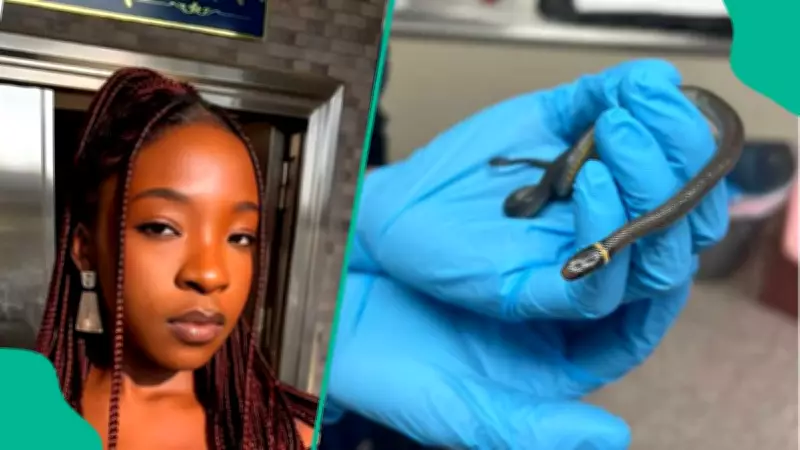
Tragic Loss: Singer Ifunanya Nwangene Succumbs to Snake Bite in Abuja
The Nigerian music community is in mourning following the untimely death of fast-rising singer Ifunanya Nwangene, popularly known as Nanyah. The soprano vocalist, who gained recognition through her participation in The Voice Nigeria competition, passed away on Saturday, January 31, 2026, after being bitten by a snake in her apartment located in the Federal Capital Territory, Abuja.
Details of the Incident and Hospital Response
According to reports from friends and official statements, Nwangene was asleep in her residence when she was awakened by acute pain in her leg. She was promptly rushed to the Federal Medical Centre in Abuja, where medical professionals attempted to treat her. Tragically, she did not survive the venomous bite. The Amemuso Choir, where she served as a soprano singer, confirmed her passing in a heartfelt statement released by music director Sam Ezugwu on their Instagram page.
The choir described Nwangene as a rising star on the cusp of broader recognition, emphasizing that her voice and vibrant spirit would be deeply missed within Abuja's growing music scene. Social media platforms erupted with expressions of grief and shock, with many users questioning the circumstances surrounding her death. Some commentators raised concerns about potential shortages of anti-snake venom at medical facilities, which might have impacted her treatment outcome.
Understanding Anti-Venom and Snake Safety
Anti-venom is a critical medication designed to neutralize toxins from venomous snake bites, and its availability can be life-saving. This incident has reignited discussions about snake safety, particularly in urban and residential areas where encounters with these reptiles can occur unexpectedly. Nigeria is home to approximately 12 highly venomous snake species, with around nine additional species that possess venom but are considered less lethal to humans.
The sight of any snake in a home environment naturally evokes fear and unease, as bites can result in serious injury or death. Experts note that snakes typically avoid human contact, but urbanization and habitat encroachment sometimes lead to dangerous interactions. In light of Nwangene's tragic death, it is essential for residents to be aware of preventive measures and emergency response protocols for snake bites.
The 10 Deadliest Snakes in Nigeria and Africa
To enhance public awareness and safety, here is a detailed list of the most venomous snakes found across Nigeria and the African continent. This information, compiled from reputable sources including Africafreak, highlights key facts about each species, identification tips, and reasons for their feared status.
- Black Mamba (Dendroaspis polylepis): A highly venomous elapid snake native to sub-Saharan Africa, known for its speed and potent neurotoxic venom.
- Mozambique Spitting Cobra: This dangerous cobra species, found in multiple African countries, can spit venom accurately at threats, causing severe tissue damage.
- Puff Adder: A widespread viper inhabiting savannahs and grasslands across Africa, responsible for numerous snakebite incidents due to its cryptic coloration.
- Gaboon Viper: The largest viper in Africa, possessing long fangs and a high venom yield, commonly found in rainforests and savannas.
- Egyptian Cobra: One of the most venomous snakes in North Africa, averaging 1.4 meters in length with recorded specimens exceeding 2.5 meters.
- Saw-Scaled Viper (Carpet Viper): A small but aggressive snake found in arid regions, known for its distinctive sizzling warning sound and high mortality rate from bites.
- Boomslang: A highly venomous colubrid native to Sub-Saharan Africa, with hemotoxic venom that can cause internal bleeding.
- Cape Cobra: Also called the yellow cobra, this species inhabits various biomes in southern Africa and delivers potent neurotoxic venom.
- Green Mamba: A slender, bright green snake from coastal East Africa, known for its arboreal habits and dangerous bite.
- African Bush Viper: A venomous viper endemic to West and Central Africa, recognized by its keeled scales and cryptic appearance.
Community Observations and Safety Recommendations
Following the incident, a neighbor of Nwangene shared observations about the singer's residence, noting environmental factors that might have attracted snakes. Such insights underscore the importance of maintaining clean, clutter-free surroundings to deter reptiles from entering homes. Dr. Mark Ofua, a wildlife expert, reiterates that snakes generally avoid human interaction, but proactive measures are crucial for prevention.
Residents are advised to seal gaps in buildings, clear overgrown vegetation, and exercise caution when in areas prone to snake activity. In case of a bite, immediate medical attention is vital, and efforts should be made to identify the snake species for appropriate anti-venom administration. Public health initiatives focusing on snakebite education and anti-venom availability could help mitigate future tragedies.
The death of Ifunanya Nwangene serves as a somber reminder of the hidden dangers posed by wildlife in urban settings. As Nigeria continues to grapple with biodiversity challenges, fostering awareness and preparedness remains key to safeguarding communities against such unforeseen threats.