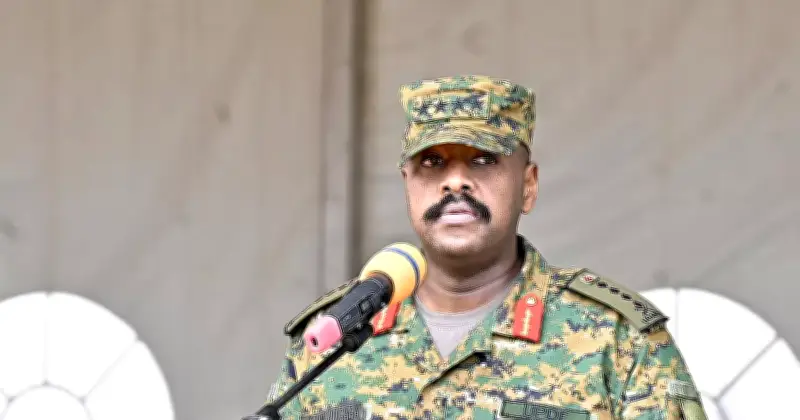
Uganda's military chief, General Muhoozi Kainerugaba, has ordered the immediate closure of several major media outlets, including the Daily Monitor and the independent television station NBS Television. The directive, issued on Tuesday, cites national security concerns and allegations of biased reporting that undermines the country's stability.
Details of the Closure Order
According to a statement from the Uganda People's Defence Forces (UPDF), the media houses are accused of publishing and broadcasting content that incites public discontent and threatens national security. The order specifically targets outlets that have been critical of the government and the military's handling of recent protests and operations.
General Kainerugaba, who is also the son of President Yoweri Museveni, stated that the closures are temporary pending an investigation into the media's conduct. He emphasized that the military will not tolerate any form of journalism that compromises the country's peace and security.
Reactions and Concerns
The decision has drawn sharp criticism from press freedom advocates and opposition figures. The Uganda Journalists Association condemned the move as a blatant attack on press freedom, calling it a dangerous precedent. According to the association, this is the first time the military has directly ordered the closure of media houses without a court order.
"This is an unprecedented and unconstitutional assault on the freedom of the press," said a spokesperson for the association. "We call on the government to reverse this order immediately and respect the rule of law."
Impact on Media Landscape
The closures have effectively silenced some of the most influential independent media voices in Uganda. The Daily Monitor, one of the country's leading newspapers, and NBS Television, a popular broadcast station, have been taken off air and their offices sealed. This has left many citizens without access to independent news sources, raising concerns about the spread of misinformation.
The move is seen as part of a broader crackdown on dissent ahead of the 2026 general elections. Critics argue that the government is using security pretexts to stifle opposition and control the narrative. The international community, including the United Nations and the African Union, has expressed alarm over the erosion of press freedoms in Uganda.
Legal and Constitutional Implications
Legal experts note that the military's order may violate Uganda's constitution, which guarantees freedom of the press. The Uganda Law Society has announced plans to challenge the closures in court, arguing that only a competent court can issue such an order. The government has yet to respond to these legal challenges.
In the meantime, the affected media outlets have appealed to the public and international partners for support. They have vowed to continue their work through digital platforms and alternative channels.