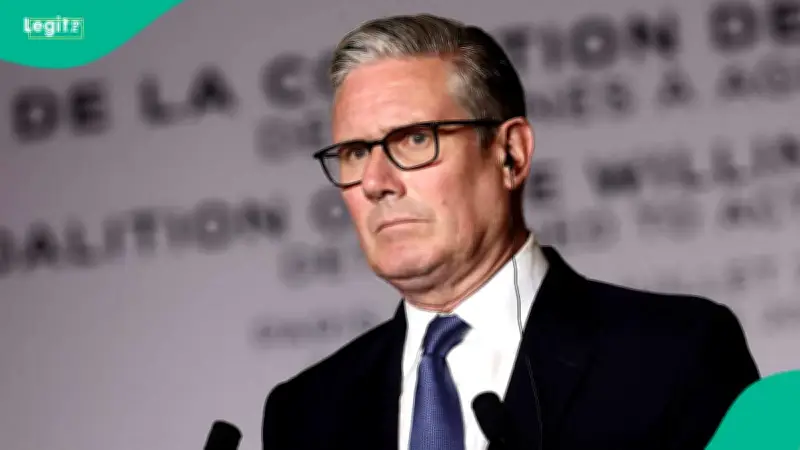
The United Kingdom has announced plans for an overnight social media curfew targeting older teenagers as part of a broader effort to combat digital harm. The Labour government's proposal, unveiled on Wednesday, introduces a default six-hour lockout from midnight to 6am for 16- and 17-year-olds on platforms such as Instagram, TikTok, and YouTube.
Details of the Proposed Curfew
According to Al Jazeera, the new measures also include disabling highly engaging features like autoplay videos and infinite scrolling by default for this age group. Ministers argue that the policy aims to promote better sleep and focus among adolescents, addressing growing concerns about the impact of social media on mental health.
This initiative follows a June announcement by outgoing Prime Minister Keir Starmer, who confirmed a blanket ban on social media for children under 16, scheduled to take effect in 2027. The curfew for older teens is seen as an additional layer of protection.
Global Context and Australia's Precedent
The UK's approach mirrors a global crackdown on teenage social media use. In December 2025, Australia implemented a world-first ban on social media for under-16s, which came into force on December 10. However, studies revealed that many teenagers were able to bypass the ban, prompting the Australian government to consider stricter enforcement measures.
Government Defense of Voluntary Curfew
UK Secretary for Online Safety Kanishka Narayan defended the voluntary nature of the curfew, rejecting criticism that teenagers would simply disable the restrictions. He told Sky News: “We want to empower our teenagers. The evidence base is clear, the motivation is very clear, and I wouldn’t do the disservice to teenagers of saying they’re all going to switch it off.” Narayan cited data from a pilot scheme and previous voluntary platform trials where more than 90 percent of teenagers kept the restrictive default settings active.
Criticism from Opposition and Child Safety Advocates
Not everyone is convinced. Laura Trott, education spokesperson for the opposition Conservative Party, dismissed the plans as ineffective: “Either they think 16- and 17-year-olds should be on social media or they don’t, but curfews they can simply switch off won’t achieve anything.”
Meanwhile, the National Society for the Prevention of Cruelty to Children (NSPCC) welcomed the development but warned it was only a temporary fix. Chief executive Chris Sherwood said that without “further, stronger measures”, the policy would act merely as a “sticking plaster” that fails to tackle addictive algorithms driving excessive screen time.
Legislative Path and Future Implementation
The proposals must still be formally legislated. As they represent some of the final steps of Starmer’s administration, the responsibility for implementation is expected to fall to his anticipated successor, Andy Burnham. The curfew and related measures are part of a wider strategy to protect young people from online harms, including addictive content and sleep disruption.