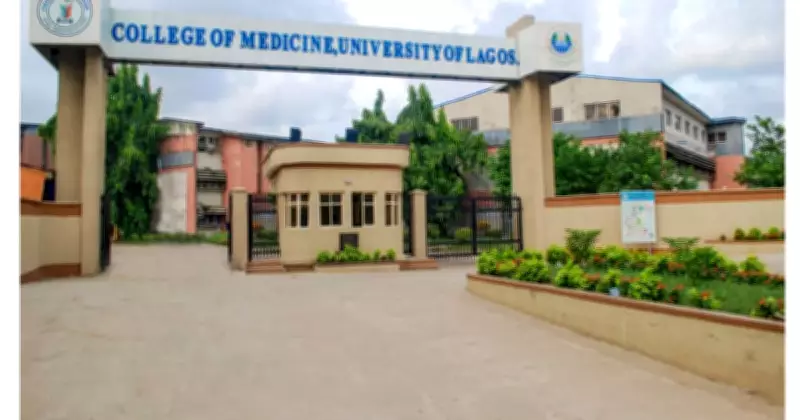
Medical and dental lecturers at the University of Lagos (UNILAG) College of Medicine have commenced an indefinite strike, suspending lectures, clinical teaching, and examinations due to unresolved welfare concerns. The action, initiated by the Nigerian Association of Medical and Dental Academics (NAMDA-UNILAG), follows failed negotiations with the university management.
Strike Details
The lecturers announced their withdrawal from academic, clinical, and research duties effective Monday, May 18, 2026. This decision came after the expiration of a three-week ultimatum issued to the university authorities. In a notice to Vice Chancellor Folasade Ogunsola, the union stated that members resolved to strike during a congress on May 15, citing management's alleged failure to continue discussions on their demands.
Impact on Students
The strike is expected to severely disrupt the academic calendar for medical students. Suspended activities include lectures, ward rounds, tutorials, seminars, laboratory practicals, and supervision of academic research. The union also announced the suspension of end-of-posting examinations and final written and clinical exams.
According to the notice signed by NAMDA-UNILAG Chairman Ugburo Andrew Omotayo, members will not participate in any teaching activities or university-related meetings during the strike period. This includes lectures, clinical teaching in clinics and wards, and laboratory demonstrations.
Union's Demands
NAMDA-UNILAG stated that the strike will continue until issues raised in their April 22, 2026 demand letter are addressed. The union is calling for the implementation of relevant circulars from the National Salaries, Incomes and Wages Commission and the National Universities Commission. While the full details of their demands were not publicly disclosed, the union emphasized that the industrial action became necessary after efforts to resolve the dispute failed.
Omotayo expressed hope that the disruption would not last longer than necessary, stating, 'NAMDA-UNILAG members remain committed to negotiations in good faith and are available at any day, any time to meet with the management to find a resolution of the dispute.' He added that the lecturers embarked on the strike with a sense of responsibility.
Broader Concerns
This development adds to ongoing concerns about recurring industrial disputes in Nigeria's university system, particularly in medical schools. Prolonged strikes often affect clinical training, examinations, and graduation timelines for students. The UNILAG strike highlights the persistent challenges in addressing welfare and regulatory issues in higher education.