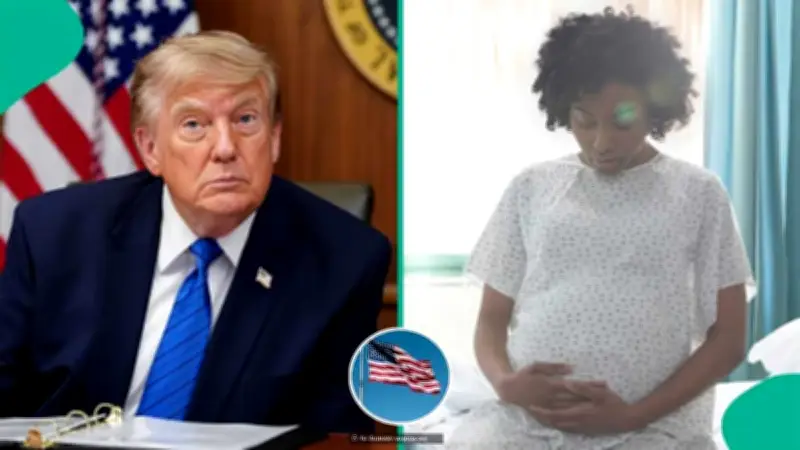
The United States government has clarified the conditions under which pregnant foreign nationals may be refused entry at its borders, addressing a common concern among travellers. According to the official US government website, there is no specific legislation barring pregnant women from entering the country, but entry is not guaranteed and ultimately depends on the discretion of the U.S. Customs and Border Protection (CBP) officer at the port of entry.
Key Factor for Denial: Financial Burden
The primary consideration for a CBP officer is whether the pregnant traveller is likely to become a financial burden on the US government. Specifically, if the officer determines that the woman lacks medical coverage and would require government-funded medical care during her stay, this is sufficient grounds for denial. This policy is detailed on the official website, which states: "Although there are no specific regulations prohibiting pregnant foreign nationals from entering the United States, entry is allowed or denied at the discretion of the admitting U.S. Customs and Border Protection (CBP) Officer. If the CBP officer determines that you are likely to become a ward of the government (meaning that the government must provide medical care because you do not have medical coverage), you can be denied entry."
Implications for Travellers
In practical terms, pregnant women planning to travel to the US are advised to carry proof of valid medical insurance or sufficient funds to cover potential healthcare costs. Without such documentation, a CBP officer has the authority to deny entry, even if the traveller holds a valid visa. The decision is made on a case-by-case basis, leaving significant discretion to the individual officer at the border.
This clarification is particularly relevant for those planning trips during pregnancy, as it underscores the importance of being prepared for possible scrutiny. The US government's stance highlights the balance between immigration enforcement and ensuring that visitors do not impose undue financial strain on public resources.
Related US Visa Updates
In a related development, Legit.ng previously reported on how the US government explained nonimmigrant visa interview wait times. The Department of State clarified that published wait times are only estimates, and applicants with urgent travel needs—such as medical emergencies or funerals—may request expedited interview appointments. This information is part of broader efforts to manage visa processing efficiently while accommodating exceptional circumstances.
For pregnant women, the key takeaway is to ensure they have adequate medical insurance or financial resources before travelling to the US. This proactive approach can help avoid complications at the border and ensure a smoother entry process.