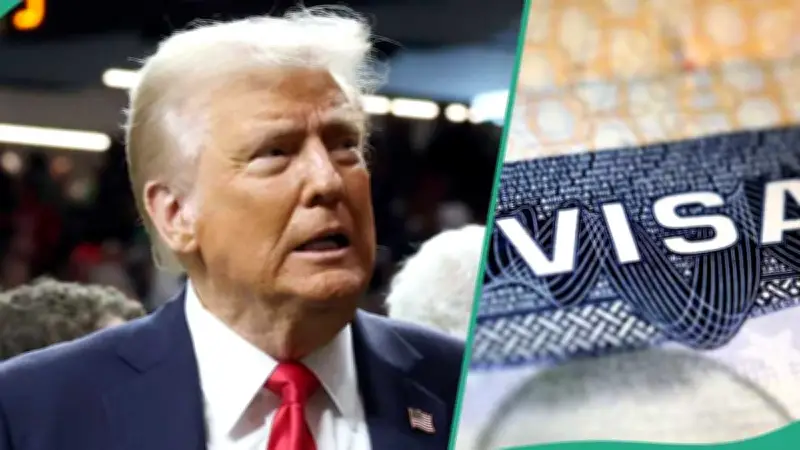
The United States has clarified that most Canadian and Bermudian citizens can enter the country without a nonimmigrant visa, according to updated guidance from the U.S. Department of State. However, the department has also listed several travel categories that still require a visa, and reminded travellers that visa-free entry does not guarantee admission at the border.
Who Can Enter the US Without a Visa?
Under the new guidance, Canadian citizens generally do not need a nonimmigrant visa to visit the United States for short stays. Similarly, Bermudian citizens can enter the U.S. without a visa for up to 180 days, provided they meet U.S. immigration requirements and have not previously violated immigration rules.
The State Department emphasised that admission into the United States is not automatic. Final decisions are made by officers of the U.S. Customs and Border Protection (CBP) at ports of entry, who have the authority to approve or refuse entry after reviewing each traveller's eligibility.
Who Still Needs a US Visa?
Despite the general exemptions, the department said Canadian citizens must obtain a visa if they are travelling as foreign government officials, international organisation employees, or NATO representatives. Visas are also required for treaty traders, treaty investors, certain dependants under E category visas, fiancés and fiancées of U.S. citizens, their children, spouses completing the immigration process, and individuals applying under special informant visa categories.
Additionally, permanent residents of Canada who are not Canadian citizens must obtain a U.S. nonimmigrant visa before travelling. For Bermudian citizens, visas remain mandatory for government officials, employees of international organisations, fiancés and spouses of U.S. citizens seeking immigration benefits, applicants under special informant categories, and travellers intending to remain in the United States for more than 180 days.
Entry Requirements Still Apply
The State Department reminded travellers that visa exemptions do not guarantee admission into the United States. Officers of the Department of Homeland Security and U.S. Customs and Border Protection have the authority to approve or refuse entry after reviewing each traveller's eligibility.
The department also advised visitors to familiarise themselves with U.S. entry rules, including restrictions on bringing food, agricultural products, and other prohibited items into the country. Violations can lead to fines, confiscation, or denial of entry.
US Embassy Explains How Long Nigerians Can Stay in America
In a related development, the United States Mission in Nigeria has reminded travellers that holding a valid U.S. visa does not automatically determine how long they can remain in the country. The embassy urged international visitors to verify their authorised period of stay through their electronic arrival record after entering the United States.
This reminder is particularly important for Nigerians and other visitors who may assume that a visa validity period equals the allowed duration of stay. The electronic arrival record, known as Form I-94, specifies the exact number of days a visitor is permitted to remain in the U.S., which may differ from the visa's expiration date.
The U.S. Department of State's updated guidance aims to provide clarity for travellers from Canada and Bermuda, but it also underscores the importance of complying with all entry and stay requirements. Travellers are encouraged to check the official CBP and State Department websites for the most current information before planning their trips.