The Chairman of the Association of Licensed Telecommunications Operators of Nigeria (ALTON), Gbenga Adebayo, has blamed network disruptions affecting phone signals nationwide on vandalism and diesel theft. Speaking on the persistent issue of dropped calls, Adebayo stated that the root causes stem from sustained infrastructure sabotage by criminal elements rather than operator negligence.
Infrastructure Sabotage and Diesel Theft
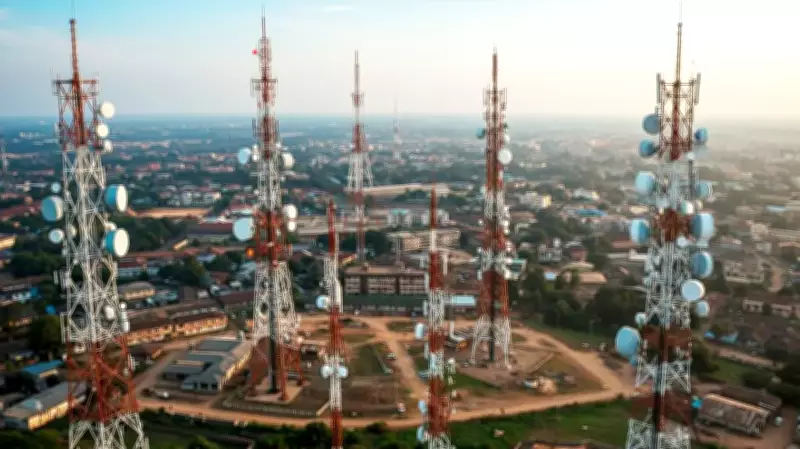
Adebayo noted that fibre optic cables are frequently severed during road construction activities, while diesel theft at cell sites remains rampant, placing critical telecommunications infrastructure under severe strain. He explained that the high capital investment required to maintain telecom infrastructure has driven operators to adopt colocation, a model enabling multiple service providers to share masts and towers to reduce costs.
Security Threats Hindering Repairs
Emphasizing the interconnected nature of the national network, Adebayo stated: “At the end of the day, we have one national network. So, the issues are common to all of us and the solution should be collective.” He highlighted operational risks faced by field engineers, noting that in several areas, technicians cannot respond to outages after 6:00 p.m. due to security threats, including attacks by armed vandals. “We have territories that we cannot access because of issues of security,” he said.
Systemic Strains and Collective Solutions
Providing an example from a Lekki neighbourhood, Adebayo said residents endured four months without public power while still expecting uninterrupted telecom services—a situation he described as difficult given that operators often pay local groups to facilitate diesel supply to base stations. Beyond physical damage, he said the industry faces broader systemic strain, with telecom challenges reflecting wider economic pressures affecting citizens. He reiterated that telecommunications operate as a single national network, where disruptions to a fibre link or site in one location can trigger widespread service outages, countering claims that operators deliberately provide poor-quality service.
Call for Stronger Infrastructure Protection
Adebayo called for enhanced protection of telecom infrastructure, stressing that acts of sabotage continue to undermine service delivery. He said improved security for fibre networks and cell sites by government and communities remains essential to reducing service disruptions despite ongoing investment in the sector.