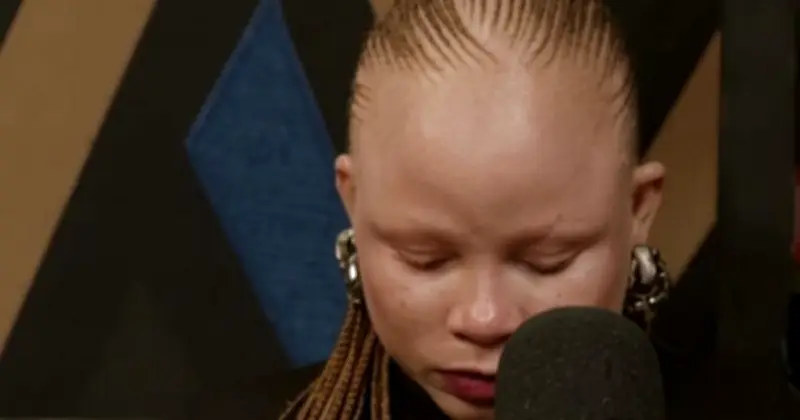
A woman living with albinism has revealed she lost a job opportunity despite being told she was the most qualified candidate for the position. She said the organisation decided not to employ her because of her condition.
Revelation on The Honest Bunch Podcast
She shared her experience during an episode of The Honest Bunch Podcast, where she joined other people living with albinism to discuss the stigma, discrimination and challenges they face in society. Recounting the incident, she said she was initially unaware that her albinism would affect her chances of securing the role.
However, after the recruitment process, she was informed that she was the strongest candidate for the job, but the organisation decided not to hire her because of her condition. “I have been denied a job opportunity because I’m a woman with albinism. I was the most qualified. In fact, I was told,” she said.

Discrimination Despite Qualifications
The woman explained that her experience is one of the ways people living with albinism continue to face discrimination despite having the qualifications, skills and ability to perform their jobs. Her story formed part of a wider conversation on the podcast about the misconceptions and stereotypes people with albinism encounter, including assumptions about their abilities, appearance and place in society.
During the discussion, participants also spoke about challenges they have faced while growing up, including bullying, social stigma and discrimination in different areas of life.
Workplace Barriers for People with Albinism
People living with albinism have repeatedly highlighted workplace discrimination as one of the barriers they face. Some have reported that misconceptions about the condition affect their access to employment opportunities despite their qualifications. Research and advocacy reports have also documented how stigma and myths surrounding albinism can contribute to exclusion in workplaces and other areas of society.
Renewed Calls for Fair Judgement
The woman’s account has renewed conversations about the need to judge people based on their skills, qualifications and abilities rather than physical appearance or misconceptions about albinism. The discussion underscores the ongoing challenges faced by people with albinism in Nigeria and the broader need for inclusive employment practices.