Iran's Internet Blackout Extends Beyond Two Weeks Amid Protest Crackdown
The nationwide internet shutdown imposed by Iranian authorities has now lasted for more than two full weeks, according to detailed observations from the internet monitoring organization Netblocks. This prolonged digital blackout represents one of the most extensive connectivity disruptions in Iran's recent history, raising significant concerns among activists and human rights organizations worldwide.
Severe Connectivity Restrictions Persist
Netblocks confirmed in a recent social media post that Iran has been under a comprehensive national internet blackout for exactly fourteen days. While there have been sporadic reports of some users briefly regaining limited access in recent days, the monitoring group emphasized that overall connectivity remains severely restricted across the country. The available internet access appears largely confined to government-approved websites and network traffic that authorities have specifically whitelisted for operation.
"At hour 336 of the blackout, connectivity levels continue to flatline with only a slight rise at the backbone supplying regime-whitelisted networks," Netblocks reported in their detailed assessment. The organization noted that only a small number of users have managed to establish connections to external networks through various tunneling methods, though they did not specify the particular tools or techniques being employed by those attempting to bypass the restrictions.
Controversial Official Death Toll Released
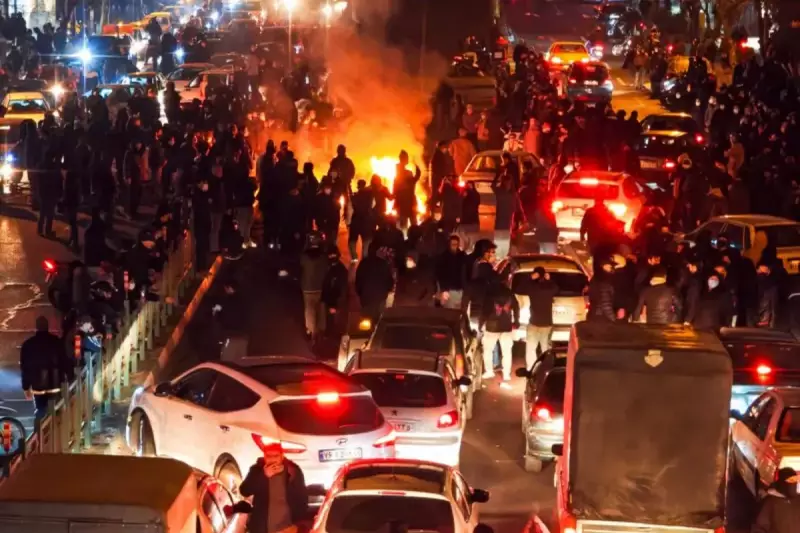
Iranian authorities broke their silence on Wednesday by releasing their first official casualty figures from the recent protest movements. According to the announcement from Iran's foundation for martyrs and veterans, 3,117 people lost their lives during the demonstrations that have swept across multiple regions. The official breakdown distinguished between those described as "martyrs"—including members of security forces and innocent bystanders—and individuals labeled as "rioters" who authorities claim received backing from the United States.
Of the total announced figure, Iranian officials stated that 2,427 individuals fell into the "martyrs" category according to their classification system. This official accounting has immediately faced widespread skepticism and criticism from international human rights organizations and independent observers who question both the methodology and transparency behind these numbers.
Human Rights Groups Challenge Official Narrative
Multiple human rights organizations have strongly disputed the Iranian government's official account of protest-related casualties. These groups allege that security forces employed excessive force during the demonstrations, including direct firing at protesters in numerous documented incidents. Based on their independent investigations and information gathered through various channels before the internet blackout, rights organizations suggest the actual death toll could be substantially higher than the official figures.
Some organizations have indicated that credible estimates potentially exceed 20,000 casualties, though verifying these numbers has become increasingly difficult due to the ongoing communication restrictions. Human rights advocates have repeatedly warned that the extended internet shutdown has created significant obstacles for documentation efforts, potentially obscuring the full extent and severity of the government's response to the protests.
Origins and Implications of the Digital Blackout
The nationwide internet blackout began on the evening of January 8, coinciding with the eruption of mass protests across several major Iranian cities. These demonstrations have presented one of the most serious challenges to Iran's clerical leadership in recent years, prompting what appears to be a coordinated effort to control information flow both within the country and to the international community.
The extended duration of this digital shutdown represents a significant escalation in Iran's approach to information control during periods of civil unrest. By severely limiting internet access for over two weeks, authorities have effectively created an information vacuum that complicates independent verification of events on the ground while simultaneously restricting citizens' ability to organize, communicate, and share experiences beyond government-approved channels.
As the blackout continues into its third week, international observers remain concerned about both the immediate humanitarian implications and the longer-term precedent being established for digital rights and information access during periods of political tension in Iran and potentially other nations facing similar challenges.