In a significant move to overhaul the nation's emergency response framework, the Nigerian Senate has advanced a crucial piece of legislation. The proposed law aims to scrap the current array of helplines and introduce a single, easy-to-remember toll-free number for all emergencies.
A Unified System to End Confusion
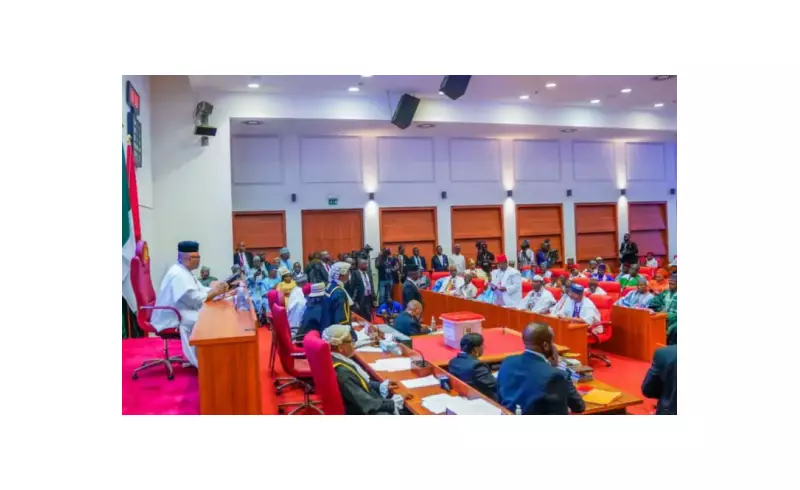
The bill, known as the National Emergency Toll Service (NETS) Act, successfully passed its second reading during a plenary session on Tuesday, March 12, 2025. Its sponsor, Senator Abdulaziz Musa Yar'Adua representing Katsina Central under the APC, presented the case for urgent reform. He highlighted the critical flaw in the existing system, which forces citizens to remember different numbers for the police, fire service, ambulance, and various social support agencies.
Senator Yar'Adua argued that this multiplicity creates dangerous delays and widespread confusion during crises. The proposed solution is a unified three-digit number, most likely to be '112', subject to final recommendations from a public hearing. This streamlined approach is designed to ensure that whether a citizen needs law enforcement, medical aid, or fire services, one call suffices.
Leveraging Technology for Faster Response
A key feature of the proposed system is its planned use of technology to route distress calls efficiently. According to the bill's provisions, calls and text messages made to the new number would be automatically directed to the nearest emergency response centre. This geo-routing capability is intended to slash critical response times.
Senator Yar'Adua emphasized that the reform strategically capitalizes on Nigeria's extensive mobile network coverage, with nearly 90 per cent mobile phone penetration. This high accessibility guarantees that the vast majority of the population can reach help when it matters most, using the device they already have.
Broad Support and Next Steps
The initiative has garnered notable support within the upper legislative chamber. The Deputy Senate President, Barau Jibrin, endorsed the bill, describing it as a timely intervention that would significantly improve public safety once implemented.
Following the debate, the Senate has mandated its Committee on Communications to scrutinize the bill further. The committee has been given a four-week deadline to conduct a thorough review and submit its report, paving the way for potential subsequent readings and eventual passage into law.
If enacted, the National Emergency Toll Service would represent a major leap forward in standardizing and modernizing how Nigerians access critical help, aligning the country with global best practices in emergency communication.