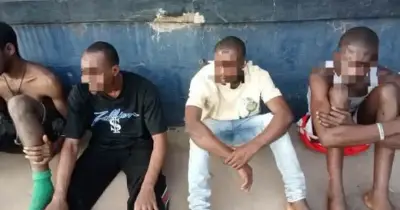
Libyan authorities have declared a significant increase in efforts to send irregular migrants, primarily from sub-Saharan Africa, back to their home countries. The government issued a warning against the permanent settlement of these migrants within Libya, a move that coincides with heightened European initiatives to reduce migrant arrivals.
Libya's Stance and Call for International Support
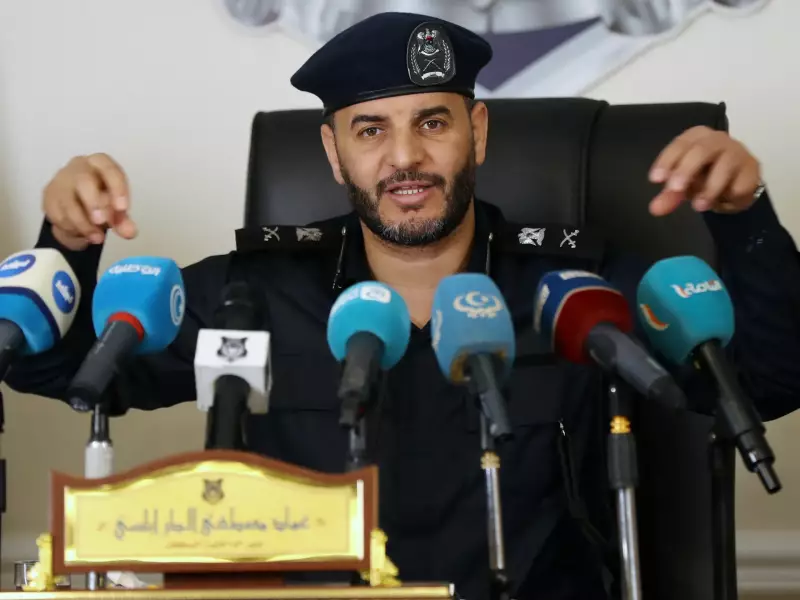
Interior Minister Imad Trabelsi made the announcement during a news conference in Tripoli on Tuesday, December 3, 2025. He was joined by several foreign ambassadors. Trabelsi urgently called for greater assistance from the European Union, the African Union, and Arab nations.
He argued that Libya has received "very limited" help relative to the "significant commitments" it has made in managing the migration crisis. For context, the EU stated it allocated approximately 465 million euros ($540 million) to Libya for migration-related matters between 2015 and 2021. An additional 65 million euros was earmarked for "protection and border management" in Libya from 2021 to 2027.
The Scale of Migration and Repatriation Plans
Minister Trabelsi revealed that an estimated three million irregular migrants have resided in Libya over the past 15 years. He expressed concern that many arrived "as families, which increases the risk of settlement." Libya has also refused to accept migrants intercepted at sea for gathering on its territory.
The country, which lies roughly 300 kilometres (186 miles) from Italy, remains a major departure point for migrants attempting the perilous sea crossing to Europe. Libya's instability, stemming from the 2011 NATO-backed uprising that ousted Moamer Kadhafi, has allowed smugglers and traffickers to flourish, leading to widespread human rights abuses.
Trabelsi outlined an ongoing national repatriation program that began in October. The goal for December is to "return thousands of migrants," with many destined for Chad, Somalia, and Mali. The plan involves operating two repatriation flights per week, with priority given to women, children, and the elderly.
Contrasting Treatment for Sudanese Refugees
In a notable contrast, the minister addressed the situation of Sudanese refugees fleeing the war that started in April 2023. He stated that up to 700,000 Sudanese refugees have entered Libya and that government instructions are to treat them "as Libyans" with access to healthcare and schools.
At the same conference, EU Ambassador to Libya Nicola Orlando clarified that Europe has no intention of settling migrants in Libya. He advocated for an increase in "voluntary returns" to countries of origin.
According to the International Organization for Migration, about 25,000 migrants have been intercepted and returned to Libya so far in 2025. This figure includes 2,196 women and 937 children.