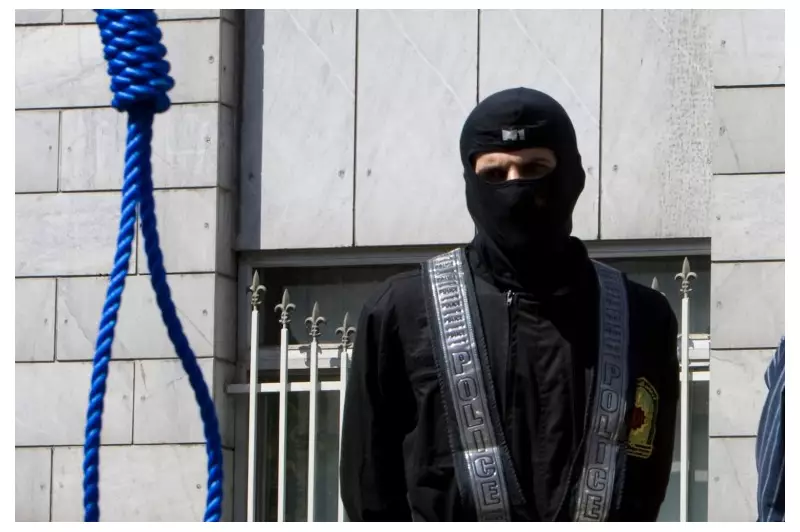
Iranian authorities have carried out the execution of a man found guilty of working as a spy for Israel. This development marks the latest in a series of such actions following the conflict between the two nations in June.
Details of the Espionage Case
The execution was officially confirmed by the Iranian judiciary's press agency, Mizan, on Saturday, December 20. The agency identified the executed individual as Aghil Keshavarz.
According to the judicial statement, Keshavarz was convicted of acting as an operative for Israel's foreign intelligence service, Mossad. The charges against him included espionage, communication and cooperation with Israel, and photographing sensitive military and security sites inside Iran.
He was arrested in the city of Urmia, located in northwestern Iran, sometime between April and May. The Mizan agency stated that his death sentence was implemented only after all legal avenues were exhausted and the verdict was upheld by Iran's Supreme Court.
Heightened Tensions and Broader Crackdown
This execution occurs against a backdrop of significantly increased hostility between Iran and Israel. The relationship between the long-time rivals deteriorated further after their direct military confrontation in June.
In response, Tehran appears to have intensified its judicial crackdown on individuals suspected of links to foreign intelligence agencies. The Iranian government frequently announces the arrest or prosecution of people it accuses of working with external powers, particularly Israel and the United States.
Regional Implications and Reactions
The carrying out of this death sentence is likely to further strain the already volatile situation in the Middle East. It sends a strong message from Iran about its stance on internal security and perceived threats from abroad.
Analysts suggest that such actions are part of a broader strategy by Iranian security apparatus to deter collaboration with foreign states and demonstrate control. The case underscores the ongoing shadow war between Iran and Israel, which often involves accusations of cyber-attacks, sabotage, and espionage.