Nigerian Female Footballer Kidnapped, Abductors Demand ₦20 Million Ransom
Tension has gripped Nigeria's football community following the reported kidnapping of a female footballer, with abductors demanding a hefty ransom of ₦20 million for her safe release. This alarming incident adds to growing concerns over rising insecurity across the nation, as recent data reveals thousands of abductions have occurred nationwide in the past year.
Details of the Abduction
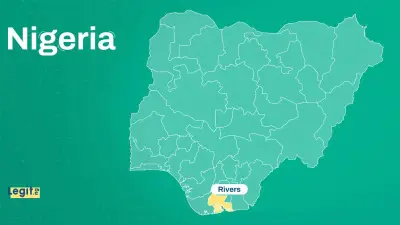
The victim has been identified as Ihotu John Rebecca, a professional player for Pacesetter Queens FC in the NWFL Premiership, Nigeria's top-tier women's football division. According to reports, she was abducted while traveling along the Benin Expressway, a major highway known for such criminal activities. Her kidnappers have allegedly set a ransom of ₦20 million as a condition for her release, leaving her team, family, and fans in a state of distress.
This shocking development has raised fresh fears regarding the safety of athletes, particularly those in domestic leagues who frequently rely on road travel to fulfill league commitments and training schedules. Rebecca's case has drawn widespread attention due to her status as an active and prominent player, underscoring the vulnerabilities faced by sports professionals beyond the football pitch.

Rising Insecurity and National Statistics
The abduction occurs against a backdrop of escalating kidnapping incidents in Nigeria. A recent report by SBM Intelligence, published by OCCRP, indicates that 7,568 people were abducted across the country over the past year, with kidnappers demanding over US$6 million in total ransom payments. Additionally, the National Bureau of Statistics has provided a bleak estimate, suggesting the incidence of kidnapping reached 2,235,954 between May 2023 and April 2024.
Analysts attribute this dramatic spike in kidnappings to underlying social issues such as high unemployment rates and systemic corruption. For the sporting community, these statistics highlight that footballers are not immune to the broader societal challenges affecting ordinary citizens. Players, especially those in domestic leagues who often travel long distances by road, are increasingly exposed to the same dangers, emphasizing the urgent need for enhanced security measures.
Public Outcry and Demands for Action
News of Rebecca's kidnapping has sparked emotional reactions across social media platforms, with fans, public figures, and sports enthusiasts expressing outrage and concern. Many have taken to platforms like X (formerly Twitter) to voice their frustration and call for immediate government intervention.
- Home of Ballers posted: "A Nigerian female footballer has been KIDNAPPED. Ihotu John Rebecca, NWFL Premiership player for Pacesetter Queens FC, was abducted on the Benin Expressway. Her abductors are demanding ₦20 million ransom. She needs our help. NOW."
- Nigeria Beach soccer legend Abu Azeez reacted simply: "This is sad."
- Mayor of Orlu commented: "The kidnapping is getting too much; what’s really happening self."
These reactions underscore the growing frustration among Nigerians over the persistence of kidnapping and the perceived lack of effective deterrence. Many are now urging authorities to implement stronger security protocols, particularly along highways that are notorious for frequent attacks. Rebecca's situation has become symbolic of a broader national crisis, with urgent pleas made to the Nigerian government and federal authorities to intervene swiftly and ensure her safe return.
Historical Context and Related Incidents
In a related development, this incident echoes past kidnappings involving Nigerian football figures. Chelsea legend John Obi Mikel has previously shared his traumatic experience when his father was kidnapped twice, first in 2011 and again in 2018. Mikel, one of Nigeria's most accomplished footballers, highlighted the emotional and financial toll such events take on families and the sports community.

This pattern of abductions targeting athletes and their relatives further emphasizes the pervasive nature of insecurity in Nigeria. It calls for comprehensive strategies to protect public figures and ordinary citizens alike, as the country grapples with a surge in criminal activities that threaten social stability and economic progress.
As the search for Rebecca continues, the football world and concerned citizens await decisive action from security agencies. The incident serves as a stark reminder of the risks faced by those in the sports industry and the urgent need for systemic improvements in national security to safeguard all Nigerians.