Kwara Families Despair as 176 Kidnapped Residents Remain Missing, Government Silent
Families of the 176 residents abducted from the Woro community in Kwara State's Kaiama Local Government Area are expressing growing despair and fear that their loved ones, particularly pregnant women and children, may not survive the harsh conditions of prolonged captivity. This follows weeks of continued silence from both the suspected Boko Haram terrorists holding them and government authorities tasked with their rescue.
Deepening Grief and Uncertainty in Rural Communities
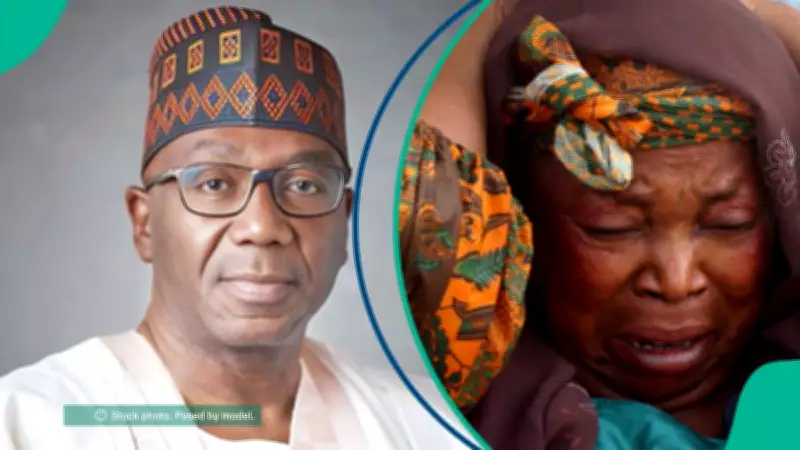
Relatives who spoke with journalists on Saturday, March 14, described a community plunged into grief and confusion by the prolonged lack of communication. One relative, identified only as Aliyu, stated that the last visual confirmation of the victims came from a Boko Haram video released weeks earlier, which showed distressed captives including children and pregnant women.
"The government officials came here to distribute foodstuffs, and we told them that we did not need their rice and maize. We only want them to rescue our wives and children," Aliyu lamented. "Since then, nothing from the government. It is just promise upon promise. And now, our people are suffering inside the forest. It feels as though the government has simply moved on and forgotten about them."
The silence has heightened fears that some captives may have already perished due to the severe conditions in the forest where they are believed to be held. Aliyu expressed particular concern for the vulnerable: "We are particularly worried about the pregnant women and the children. Some of them were already weak before they were abducted. If they are in the bush without food, water or medical care, how can they survive for this long?"
Community Pleas and Eroding Hope
Another resident described the daily anguish faced by families, stating, "Our hearts are heavy every day. We don't know whether our people are alive or dead. We are begging the government to do something because we cannot continue living like this." The absence of clear updates from authorities is causing many to gradually lose hope.
"We are losing hope because nobody is telling us the truth about the current situation," the source added. "The government knows what these terrorists want. They want money, and what we are hearing so far is that the government is not willing to negotiate with them."
Boko Haram Video Contradicts Official Figures
The crisis escalated when suspected Boko Haram terrorists released a video showing dozens of abducted victims from Woro community. In the footage, captives including women and children appeared distressed, with dirty, worn clothing, and some children without trousers, indicating harsh holding conditions. A gunman in the video accused the Kwara State Government of misleading the public, claiming 176 people were in their custody, contrary to official reports of 20 to 30 abductions.
Government Response and Ongoing Frustration
In response to the video, the Kwara State Government, through Commissioner for Communications Bolanle Olukoju, expressed concern and stated its commitment to securing the safe return of all affected citizens. The government cited conflicting reports about the abduction numbers as reason for not releasing a definitive figure, emphasizing that its priority remained rescue and justice.
However, families report receiving no meaningful updates on rescue efforts since that statement. The abduction followed a deadly January attack on Woro community where suspected terrorists killed over 100 residents, including members of the Emir's family, burned buildings, and caused mass displacement. The Emir of Woro remains missing, feared abducted or killed.
Witnesses described attackers storming the community, shooting indiscriminately, and later returning to kill survivors. The attackers reportedly seized the Emir's official vehicle to transport abductees, deepening the community's trauma. As weeks turn into months with no resolution, the families' pleas grow more desperate, underscoring a humanitarian crisis demanding urgent attention and action.