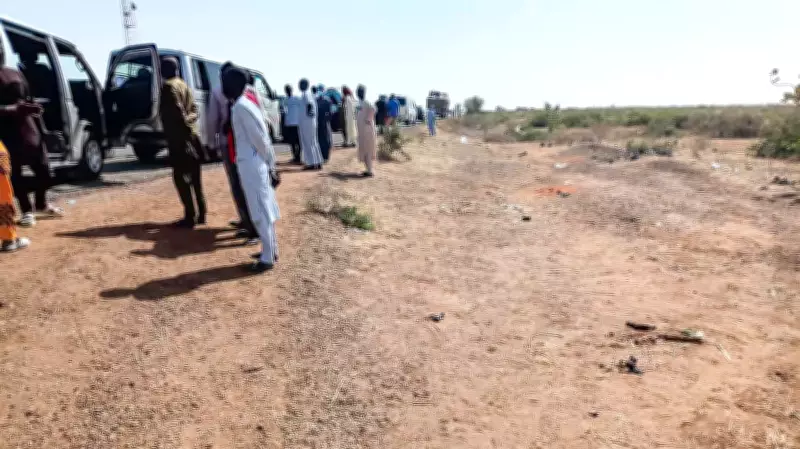
Commuters and Motorists in Borno, Yobe Lament Return of Security Checkpoints
Commuters and motorists in Borno and Yobe states are experiencing significant distress due to the resurgence of security checkpoints, leading to incessant traffic jams and forced long-distance walking. The resumption of security checks by the Nigerian Army and the Nigerian Police Force on highways in these states has compelled many travellers to trek approximately two kilometres before they can reboard vehicles to continue their journeys.
Vulnerable Groups Bear the Brunt of Harsh Measures
Most travellers, including children, people with disabilities, and the elderly, are struggling to cope with the rigorous walks required at each checkpoint. During an assessment of security measures along the Maiduguri-Kano Expressway at the Damaturu tollgate, vulnerable individuals were subjected to walking before proceeding to their destinations. Asmawu Mohammed, a mother of four, had to carry one child on her back and shoulder two others, while her eldest child managed the trek to a waiting vehicle about two kilometres away from the military and police checkpoint.
Mixed Reactions to Security Protocols
Despite soldiers insisting on commuters walking, some, like elderly traveller Ishaku Yahya, commended the security measures but urged a more civil-oriented approach to reduce the hardships of trekking in the hot sun. Yahya, who had been fasting for 28 days while travelling to Maiduguri and Damaturu, emphasized that such an approach could better respect commuters' health, rights, and wellbeing.
Heightened Security Alert Ahead of Sallah Festivities
In related developments, the Yobe State Police Command has issued a security alert in anticipation of the Sallah festivities, following recent bomb explosions in Maiduguri. In a statement released by spokesperson SP Dungus Abdulkarim, the command expressed sympathy over the March 16, 2026 incidents at four locations within Maiduguri. Commissioner of Police Emmanuel Ado has directed area commanders, divisional police officers, tactical units, and intelligence departments to ensure robust security coverage at worship centres, recreational facilities, public parks, and other strategic locations.
Commuters Voice Concerns Over Health and Safety
Traveller Fadmatu Audu warned that these security measures could further compound challenges for commuters in the North-East, urging the government to prioritize citizens' health and wellbeing in its assessments. A 79-year-old traveller from Kano, who requested anonymity, shared a personal ordeal: having a fractured leg and fasting, they were forced to trek about two kilometres. They called for better alternatives in the modern age, such as scanning vehicles and conducting checks without requiring long walks.
The elderly traveller added, "The long walk at the checkpoints has continued to further compound the challenges commuters are facing in the Northeast. I even pleaded with the soldiers. The officer on duty only responded that he was complying with the orders of his boss." Beyond personal hardship, they noted that women were seen carrying babies and sweating under the hot sun while trying to cross and reboard buses travelling to Maiduguri for Thursday's Sallah.
Safety Risks and Terrorist Threats Highlighted
Expressing fear, the senior citizen also raised concerns that the trekking travellers are exposed to risks, suggesting that terrorists might exploit the situation to attack both soldiers and commuters at the checkpoints. This adds another layer of urgency to the need for revised security protocols that balance safety with humanitarian considerations.