In a major reversal of human rights policy, Burkina Faso's military government has declared its intention to reinstate capital punishment. The death penalty, which was abolished in 2018, will be brought back for a range of serious crimes.
Details of the New Penal Code
The announcement was made by the country's Council of Ministers on Thursday, December 4, 2025. According to the government's information service, the draft penal code reinstates the death penalty for offences including high treason, acts of terrorism, and espionage. Justice Minister Edasso Rodrigue Bayala stated that this move is part of broader judicial reforms aimed at delivering justice that aligns with the people's aspirations.
Historical context shows a significant shift. Burkina Faso last carried out an execution in 1988, as recorded by Amnesty International. The formal abolition of the penalty occurred three decades later under the civilian government of former President Roch Marc Christian Kabore.
Anti-LGBTQ Provisions and Political Context
The proposed law also introduces harsh new measures targeting the LGBTQ community. It specifically penalises "the promotion and practices of homosexuality and related acts". This follows a law adopted in September 2025 that already targets "perpetrators of homosexual practices" with prison sentences of up to five years.
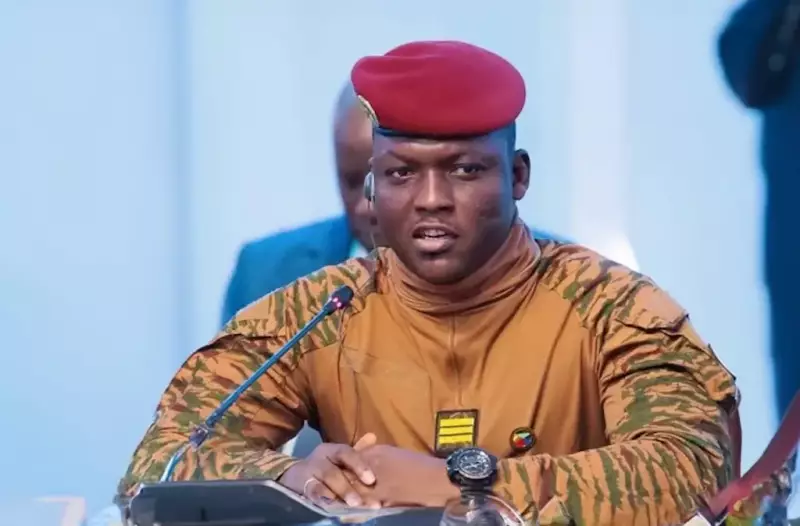
The nation has been under the control of Captain Ibrahim Traore since a military coup in 2022. His regime has notably pursued anti-Western policies, distancing the country from France while forging stronger ties with Russia and Iran.
Next Steps and Implications
For the law to take effect, it must be approved by the Transitional Legislative Assembly, a body created by the junta itself. The reinstatement of the death penalty marks a stark departure from the recent trend towards abolition in West Africa and aligns with the government's hardline stance on security and morality.
The combined focus on severe punishment for security offences and the criminalisation of homosexuality signals a profound shift in Burkina Faso's legal and social landscape under military rule.