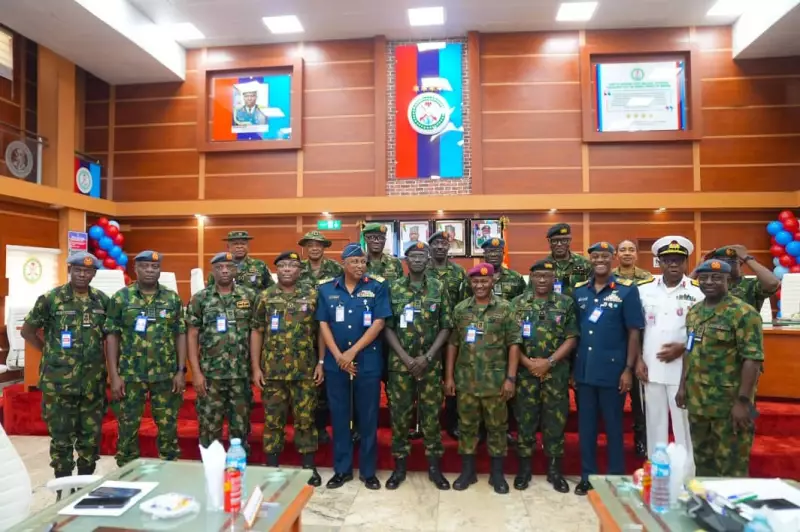
The Chief of Defence Staff (CDS), General Olufemi Oluyede, has declared that deliberate transformation and continuous innovation are non-negotiable for the Nigerian military to maintain the operational superiority needed to defend the nation. He stated this is critical in the face of persistent terrorist threats and a rapidly changing combat environment.
Evolving Warfare Demands New Thinking
Speaking at a high-level strategic seminar in Abuja on 17 December 2025, Gen. Oluyede explained that the nature of warfare is constantly evolving. He described the current operating environment as volatile, uncertain, complex, and ambiguous, making old methods insufficient. The seminar, themed “Optimising the AFN’s Operational Capabilities through Transformation and Innovation: Issues and Prospects,” gathered senior officers, academics, and defence experts to forge practical solutions.
The Defence Chief positioned innovation as the core driver of modern military effectiveness. He detailed that new ideas are essential to boost situational awareness, protect forces, increase precision in engagements, and speed up decision-making processes. All transformation efforts, he insisted, must align with the CDS Military Strategic Philosophy, which focuses on enhanced joint operations, a stronger operational stance, better welfare, and sound administration to protect Nigeria's sovereignty.
Confronting Challenges, Harnessing Prospects
Gen. Oluyede did not shy away from outlining the significant hurdles facing the Armed Forces of Nigeria (AFN). He pinpointed limited domestic defence production, gaps in adopting emerging technologies, and funding constraints amid other national priorities as major challenges. However, he expressed strong optimism, citing the dedication of military personnel and a growing institutional focus on innovative thinking as foundations for sustainable progress.
Earlier, Air Vice Marshal Jeff Adidun Ekwuribe, representing the Chief of Defence Transformation and Innovation, emphasised the urgency for institutional adaptation. He warned that with the military engaged in multiple complex theatres, operational methods, systems, and doctrines must evolve faster than those of adversaries. He called on participants to concentrate discussions on:
- Improving joint operational coordination.
- Strengthening intelligence capabilities.
- Modernising logistics frameworks.
- Accelerating digital transformation across all service branches.
Beyond Technology: The Need for Holistic Reform
Adding a crucial academic perspective, Professor Ehiz Odigie-Okpataku, a resource person at the event, cautioned that technology alone cannot guarantee military efficiency. He argued that a clear strategic vision, sound doctrine, and comprehensive institutional reforms must accompany technological adoption. Prof. Odigie-Okpataku advocated for a long-term defence transformation strategy that embeds innovation as a core priority. He also called for stronger partnerships between the military, academia, the private sector, and regional and international security organisations to build a resilient defence architecture for Nigeria.
The seminar underscores a pivotal shift in the Nigerian military's approach to security challenges, recognising that overcoming asymmetric threats requires a constant commitment to reinvention and smarter, more collaborative warfare strategies.