Military Investigators Name Colonel Mohammed Ma'aji as Architect of Foiled Coup Plot
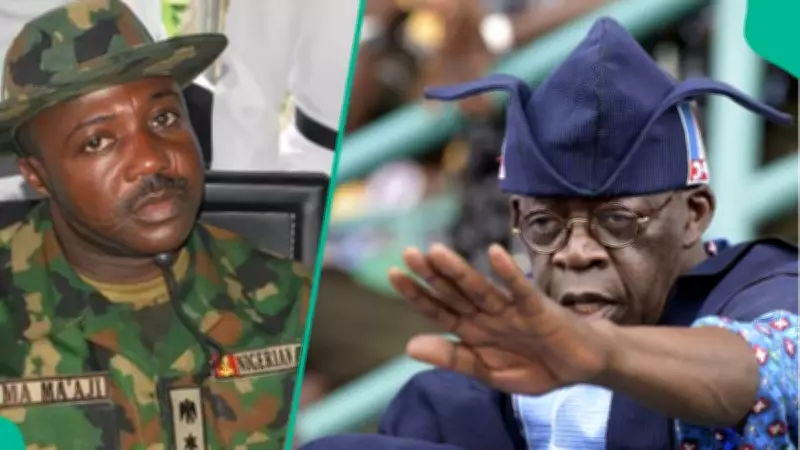
Military investigators in Nigeria have officially identified Colonel Mohammed Ma'aji as the primary orchestrator and financier of the failed coup attempt against President Bola Tinubu's administration. The revelation comes after months of intensive investigation into the alleged plot to overthrow the government.
Arrests and Investigation Timeline
The investigation began in late September 2025 when military authorities started detaining senior officers suspected of involvement in the conspiracy. By early October, a total of 16 officers had been arrested in connection with the plot, including Colonel Ma'aji himself.
Initially, military officials downplayed the situation, describing the detentions as part of an investigation into indiscipline and breach of service regulations. However, two months after the arrests, the military publicly confirmed the existence of the coup plot and announced that all officers involved would face trial.
Colonel Ma'aji's Alleged Role and Background
Sources familiar with the investigation revealed that Colonel Ma'aji played a central strategic role in planning and coordinating the coup attempt. According to these sources, he oversaw logistics, directed co-conspirators, and was responsible for transferring funds to other alleged plotters.
Investigators noted that Ma'aji had previously sought a posting to the Office of the National Security Adviser, which they believe may have been part of his broader strategy. His extensive operational experience in the Niger Delta region, where he developed significant professional and political networks, is also under scrutiny as potentially relevant to the alleged plot.
Colonel Ma'aji, service number N/10668, was born on March 1, 1976, in Edati Local Government Area of Niger State and is of Nupe origin. He joined the Nigerian Defence Academy on August 18, 1995, and graduated on September 16, 2000, as a member of the 47 Regular Course.
Financial Connections and Civilian Involvement
The investigation uncovered financial transactions that allegedly link Colonel Ma'aji to Timi Sylva, a former governor of Bayelsa State. Authorities searched Sylva's residence in Abuja, raising questions about potential civilian involvement in the conspiracy.
However, Sylva's spokesperson, Julius Bokoru, strongly denied any connection to the plot, describing the former governor as an unrepentant and thoroughbred democrat who supports President Tinubu's administration.
Behavior During Investigation and Government Response
Sources report that Colonel Ma'aji has remained emotionally detached and uncooperative with investigators since his arrest, showing little visible remorse as the inquiry continues.
Following the scandal, President Tinubu made significant changes to military leadership, dismissing several service chiefs while retaining only Olufemi Oluyede and Emmanuel Undiandeye in key positions. Oluyede, formerly Chief of Army Staff, was appointed Chief of Defence Staff, while Undiandeye remained Chief of Defence Intelligence.
Former Chief of Defence Staff Christopher Musa was later brought back as Minister of Defence, replacing Muhammed Badaru, who resigned citing health reasons.
Broader Implications and Public Interest
As the trial of Colonel Ma'aji and other alleged plotters approaches, the nation watches closely, with security agencies vowing to hold all involved accountable. The case has drawn significant public attention, particularly following revelations about the alleged involvement of Nollywood filmmaker and actor Stanley Amandi, marking the first time civilian entertainment industry figures have been publicly linked to such a military conspiracy.
The investigation continues to unfold, with authorities examining all aspects of the alleged plot while maintaining that Nigeria's democratic institutions remain secure and resilient against such threats.