Prosecution Reveals Recruitment Discussions
Fresh court documents have alleged that the failed 2025 coup plot against President Bola Tinubu included plans to recruit repentant Boko Haram fighters and members of the Civilian Joint Task Force (CJTF). The documents, obtained by Premium Times, form part of the prosecution's evidence in the ongoing trial involving serving and retired military officers, a police officer, and civilians accused of participating in the plot.
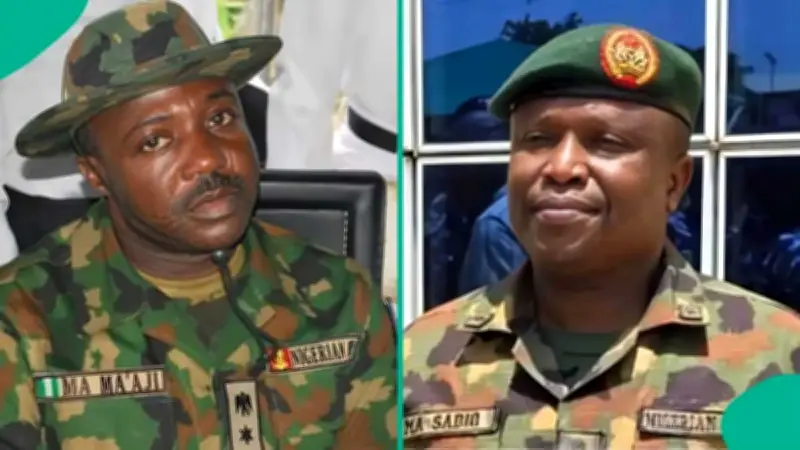
According to the prosecution, the recruitment proposal emerged during discussions between two accused military officers facing trial: Major Jamilu Ilyasu and Colonel Mohammed Ma'aji, the alleged leader of the coup plot. The Federal High Court in Abuja is currently examining disputed statements before deciding whether key evidence can be admitted.
Why Alleged Plotters Sought CJTF and Ex-Insurgents
Investigation records indicate that the alleged plotters believed repentant insurgents and CJTF members could provide additional manpower. Many of these individuals had experience from counter-insurgency operations in the North-East, and some had access to firearms under existing security arrangements. The prosecution claims the idea came from Major Ilyasu, who raised it with Colonel Ma'aji.
In a statement included in the prosecution's case, Ma'aji said: "It was Maj. Iliyasu who brought up the discussion of using repentant Boko Haram who are already using their weapons." Ma'aji claimed he was unaware that some repentant Boko Haram members had been working alongside security forces before the discussion. Despite the proposal, Ma'aji maintained that the plan never moved beyond discussions. "The recruitment of CJTF was Iliyasu's idea," he said, noting that the plan to mobilise them to Abuja was never concluded.
Major Ilyasu's Role and Contact with CJTF Member
Ilyasu, in his own statement filed by prosecutors, acknowledged suggesting the recruitment of CJTF members. He claimed he told Ma'aji he knew a CJTF member identified as Ali and later contacted him after receiving the request. According to the statement, Ilyasu forwarded a voice conversation with Ali to assure Ma'aji that he was "getting boys" for the operation.
Alleged IED Discussions Rejected
The court documents also contain claims about discussions involving improvised explosive devices (IEDs). Ma'aji alleged that Ilyasu mentioned Boko Haram technicians who could produce IEDs, but he rejected the suggestion. "If there was any discussion of IED, it was Maj Iliyasu who said he had some Boko Haram technicians... but I told him that would not be necessary," Ma'aji stated.
Legal Challenge and Trial-Within-Trial
The allegations are based on investigation statements that prosecutors want the court to admit as evidence. However, the defendants have challenged the statements, insisting they were not made voluntarily. They have also opposed the use of video recordings from their interrogations. The Federal High Court is conducting a trial-within-trial to determine whether the statements and recordings are admissible before the main trial proceeds. The accused persons have not been convicted, and the allegations remain before the court.
Clerics Recount Alleged Meetings with Coup Suspect
Investigation records previously alleged that coup suspect Mohammed Ma'aji sought spiritual backing from Islamic clerics, who later told investigators they rejected the alleged plan and urged him to abandon it. One cleric, Bukar Goni, admitted receiving millions of naira from the colonel for prayers and mosque-related activities, insisting the payments were never meant to support any attempt to overthrow the government. Another cleric, Abdulkadir Sani, said he warned that the alleged coup would fail because insiders would betray it.