Ex-Soldier's Shocking Confession on Nigerian Army Pay and Conditions
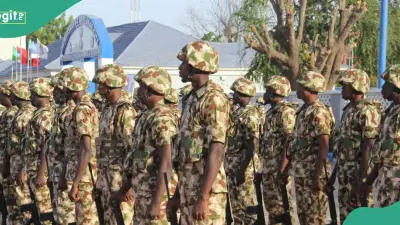
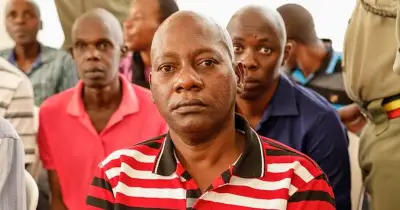
A former Nigerian soldier, who gained viral fame for urging politicians to let their children join the military, has made a startling revelation about the harsh realities faced by personnel in service. His account exposes systemic issues of inadequate pay, poor welfare, and extended deployments in dangerous regions, reigniting public concern over the treatment of frontline troops.
Financial Hardship and Salary Struggles
The ex-soldier disclosed the exact amount of his last salary before dismissal, shedding light on the financial challenges endured by soldiers. He stated, "The last salary I collected as an ex-army before I was dismissed was ₦109,000. Before then, it was just last year February they increased it; it was ₦51,000 then, attached with the SACRS skill that they pay ₦20,000, making ₦71,000." Despite a slight increase, he emphasized that this pay remains grossly inadequate given the high risks and responsibilities associated with military duties in conflict zones.
Soldiers Forced to Buy Own Gear
In a further shocking detail, the ex-soldier revealed that Nigerian soldiers are often compelled to purchase their own uniforms and protective equipment out of pocket. He explained, "They don’t give us uniforms either; we buy them ourselves with our money, which cost ₦55,000. You will buy your uniform and boots with your money, everything you need. The boots cost ₦60,000 too. Even armor and bulletproof vests, nobody will give you." He added that such gear is only provided during high-profile events for appearances, describing it as merely for show-off purposes.
Extended Deployment in Maiduguri
The soldier also recounted his lengthy posting in Maiduguri, a region severely impacted by insurgency. "I spent about 4 years, nine months in Maiduguri. They initially told us we’d spend two years before rotation, but I did more than double," he said. This extended deployment without proper rotation highlights the immense strain on soldiers' mental and physical health, exacerbating the challenges of service in volatile areas.
Public Reaction and Broader Context
These revelations have sparked renewed discussions about the welfare of Nigerian soldiers, with many citizens questioning whether sufficient support is provided to those risking their lives. The confession comes amid ongoing security challenges, such as a recent ISWAP attack in Borno state that resulted in casualties, underscoring the dangerous conditions soldiers face daily. This account serves as a critical reminder of the need for improved pay, equipment provision, and humane deployment policies to ensure the well-being of military personnel.