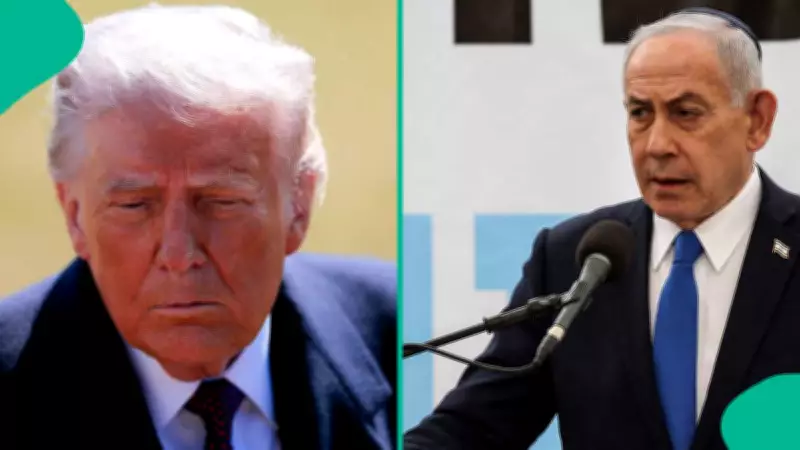
Israel's Defence Capability Under Strain as Interceptor Stocks Dwindle
Israel has urgently notified the United States that its stockpiles of missile interceptors are running critically low as the joint military campaign against Iran enters its sixteenth day. This alarming shortage raises serious questions about Israel's capacity to maintain its defensive posture in the escalating conflict.
Washington Acknowledges Israeli Shortage While Maintaining Own Security
According to reports confirmed by a US official to TRT Africa on March 14, American authorities have been aware of Israel's interceptor deficit for several months. The official emphasized that while Israel struggles with depleted supplies, the United States maintains sufficient defensive capabilities to protect its regional bases, personnel, and strategic interests.
"We have all that we need to protect our bases and our personnel in the region and our interests," the official stated to Semafor, addressing concerns that the prolonged conflict might have strained American military resources.
Iran's Revolutionary Guard Escalates Rhetoric with Direct Threat
In a significant escalation of hostilities, Iran's Islamic Revolutionary Guard Corps issued a direct threat against Israeli Prime Minister Benjamin Netanyahu on Sunday. Through an official statement published on Sepah News, the IRGC labeled Netanyahu a "child-killing criminal" and vowed to pursue him relentlessly.
"If this criminal, the killer of children, is still alive, we will continue working to hunt him down and kill him with all our strength," the statement declared, marking one of the most personal threats issued during the conflict.
Netanyahu's Whereabouts Become Subject of Speculation
The IRGC's threat coincided with growing online speculation about Netanyahu's health and location. His office swiftly dismissed these rumors, telling Anadolu Agency that reports of his disappearance were "fake news" and confirming the Prime Minister's wellbeing.
Speculation intensified after a video of Netanyahu circulated online, with some observers claiming unusual physical characteristics that fueled theories about possible artificial intelligence manipulation of the footage. This digital uncertainty has added another layer of complexity to an already volatile situation.
Trump's Evolving Timeline and Military Assessment
US President Donald Trump initially characterized the conflict as a "short-term excursion" that would last approximately four weeks. However, his position shifted on Friday when he stated the war would continue "as long as it's necessary," acknowledging the potential for prolonged engagement.
Despite Trump's previous assertion that America possesses virtually "unlimited" munitions, military assessments suggest that actual supplies fall below expectations, though not to the critical levels facing Israel.
Intelligence Assessment Suggests Iranian Resilience
A recent intelligence assessment reported by Reuters indicates that Iran's leadership and government structures remain stable despite the ongoing US-Israel military campaign. This evaluation suggests that despite significant military pressure, the Iranian regime is not facing imminent collapse.
Historical Context of Interceptor Shortage
Israel reportedly entered the conflict with already diminished interceptor supplies, a situation that has worsened as the war extends into its third week. The country is now actively working on solutions to address this critical defensive gap while maintaining its military operations against Iranian targets.
The convergence of Israel's defensive supply crisis, Iran's escalating rhetoric, and uncertainty surrounding Netanyahu's status creates a dangerously unstable situation with no clear resolution in sight. As the conflict enters its sixteenth day, all parties face mounting pressure with diminishing resources and escalating threats.