The Libyan military and the nation have been plunged into mourning following the tragic death of the army's chief of staff in a plane crash. The incident has sent shockwaves through the North African country, which has been grappling with political divisions for years.
Details of the Tragic Incident
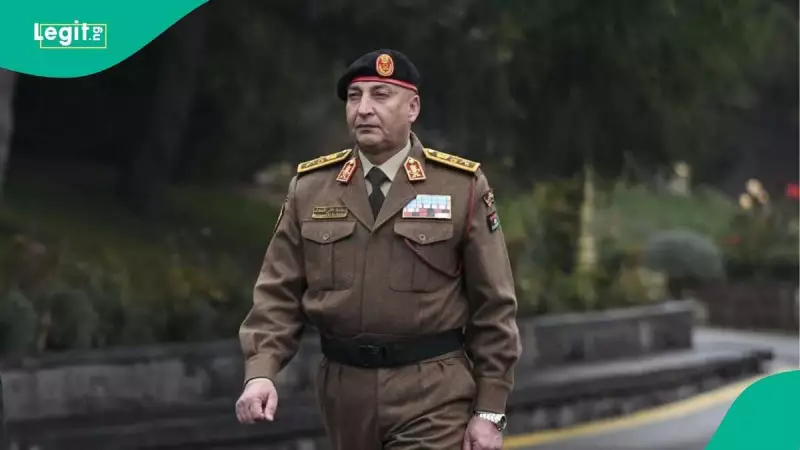
General Mohammed Ali Ahmed Al-Haddad, the Chief of Staff of the Libyan Army loyal to the internationally recognised government in Tripoli, has died. The fatal crash occurred on December 23, 2025, as his aircraft was returning from an official visit to Turkey.
The jet had departed from Ankara, the Turkish capital, and was carrying a delegation of senior officials. Prime Minister Abdulhamid Dbeibah, leading the Government of National Unity based in Tripoli, confirmed the devastating news. In his official statement, he revealed that four other officials were on the same flight and perished alongside the general.
Official Confirmation and National Mourning
Prime Minister Dbeibah's announcement framed the event as a profound national loss. He stated that the crash happened "while they were returning from an official trip from the Turkish city of Ankara." The Prime Minister further emphasised the gravity of the situation, calling it "a great loss for the nation, for the military institution, and for all the people."
This tragedy strikes at the heart of Libya's fragile security apparatus. General Al-Haddad was a key figure in the military structure of the Tripoli-based administration, which vies for legitimacy against rival factions in the east of the country. His death creates a significant leadership vacuum at a critical time.
Implications for Libya's Stability
The sudden loss of the army's top officer raises immediate questions about command succession and the continuity of military operations. Libya remains split between two rival governments, one in the west in Tripoli and another in the east in Benghazi, each backed by different militias and foreign powers.
General Al-Haddad's role was pivotal in overseeing forces aligned with the Tripoli government. His death in such sudden circumstances is likely to trigger a period of uncertainty and potential reshuffling within the military's upper echelons. The international community, which has been involved in peace efforts, will be watching closely to see how this event impacts the already complex political and security landscape.
As investigations into the cause of the plane crash begin, the focus for the Libyan government will be on managing the aftermath of this tragedy while ensuring military cohesion. The nation now mourns a leader whose death is seen not just as a personal tragedy for the families involved, but as a collective blow to Libya's hopes for stability and unity.