MURIC Calls for Investigation into Military Airstrike on Jilli Market
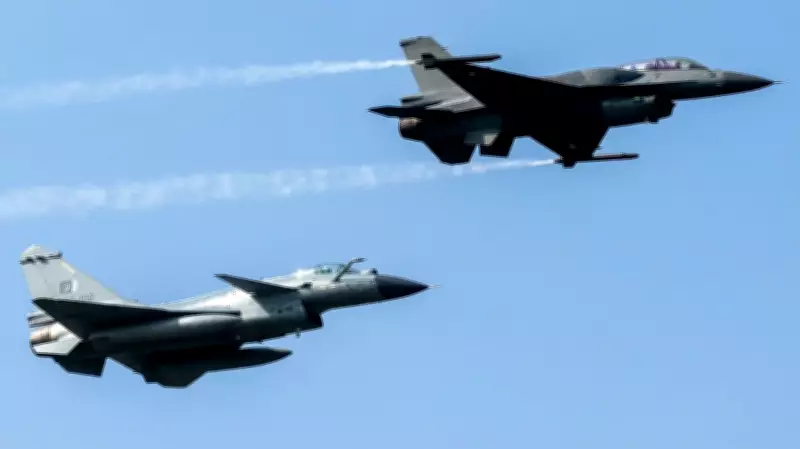
The Muslim Rights Concern (MURIC) has strongly condemned a recent bombing by the Nigerian military targeting terrorists at Jilli Market, located in Borno State. The group has demanded the immediate suspension of the pilots and all senior officers who authorized the airstrike, pending a thorough investigation into the incident.
Details of the Airstrike and Casualties
In a statement released on Sunday, 12th April 2026, MURIC reported that more than 56 people were killed in what was described as an 'accidental' bombing at the Borno-Yobe border market. The organization expressed deep concern over the frequency of such incidents, noting that this is perhaps the third or fourth occurrence of erratic bombing by the Nigerian Air Force.
MURIC questioned the intelligence gathering processes, asking, "What happened to forward-gathering intelligence? Was there any intelligence report at all?" The group also raised critical questions about the command structure, including who ordered the raid and who flew the jet fighters involved in the operation.
Demands for Accountability and Suspension
MURIC emphasized the need for answers, describing the situation as atrocious and questioning how a pilot could mistake a market for a terrorist gathering. The organization demanded the immediate suspension of all personnel involved, from the pilot and copilot to the senior officers who approved the bombing.
The group insisted that this incident must not go without a probe and called on the National Assembly to take action. MURIC stated, "This is not an investigation that can be trusted to the Nigerian Air Force alone. We demand accountability."
Military Response and Context
Meanwhile, the military has defended the airstrike, stating that Jilli Market had long been identified as a major movement corridor and convergence point for Islamic State West Africa Province terrorists and their collaborators. This response highlights the ongoing security challenges in the region, where military operations often intersect with civilian areas.
The incident underscores the complex dynamics of counter-terrorism efforts in Nigeria, particularly in conflict-prone zones like Borno State, where balancing security operations with civilian safety remains a critical issue.