Nigerian Air Force Returns Super Puma Helicopter to Active Service Following Three-Year Hiatus
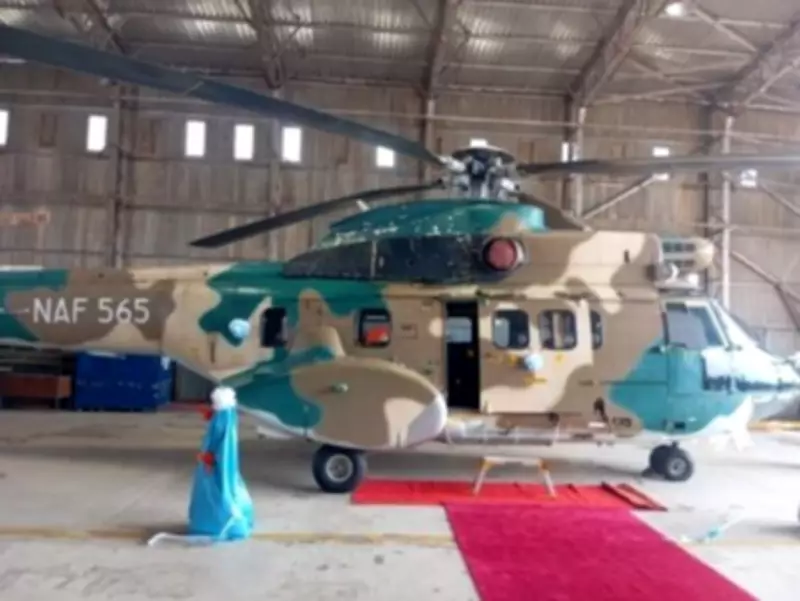
The Nigerian Air Force has officially restored its Super Puma Helicopter to operational status after the aircraft remained grounded for a full three years. This significant reactivation comes after the helicopter faced persistent challenges with its main rotor hub, which necessitated extensive repairs and technical evaluations.
Strategic Importance of the Reactivation
During the formal inauguration ceremony held at the 205 Rotary Wing of the Nigerian Air Force in Ikeja, Lagos State, the Chief of the Air Staff, Sunday Aneke, emphasized the critical nature of this development. He highlighted the helicopter's renowned versatility and its proven capacity to manage demanding and complex military operations effectively.
Aneke elaborated that the Super Puma, celebrated for its endurance and reliability, will substantially boost the Air Force's rotary wing capabilities. This enhancement is particularly vital for missions involving troop transport, search and rescue operations, casualty evacuation, and logistics support.
Operational Deployment and National Security Objectives
The Air Chief underscored that the helicopter's return is not merely about adding an aircraft back to the fleet. It represents a tangible demonstration of the Air Force's unwavering commitment to his command philosophy, which focuses on building a highly motivated, professional, and mission-ready force. This force aims to deliver decisive air power in synergy with surface forces to achieve national security objectives.
"Having demonstrated its effectiveness as a tactical mobility platform in Operation Hadin Kai, the Super Puma is a workhorse," Aneke stated. He further announced that the helicopter will be deployed for:
- Close support and training of troops
- Movement of personnel and equipment in collaboration with the Army and Navy
- Operations in maritime environments, especially in Lagos State's coastal areas
- Counterinsurgency and anti-banditry campaigns across various theatres in Nigeria
Recognition of Support and Safety Mandates
Aneke expressed profound gratitude to President Bola Tinubu for his steadfast commitment to national security, which was reflected in the approval of key acquisitions and support for reactivating legacy platforms like the Super Puma. He noted that this reactivation will directly strengthen the Air Force's capacity to support joint operations, particularly in Lagos's maritime domain and other conflict zones nationwide.
The Chief of the Air Staff issued a stern directive to the personnel of the 205 Rotary Wing, who will be responsible for operating and maintaining the helicopter. He urged them to adhere strictly to the highest standards of safety, professionalism, and responsibility. "Treat this platform with utmost care, ensuring that it remains mission-ready whenever required," Aneke emphasized.
Acknowledgement of Key Contributors
Aneke also acknowledged the invaluable contributions of several individuals during the reactivation process. He specifically commended:
- Retired Air Commodore Taiwo Badru for his expert support and consultation
- Air Vice Marshal Mike Onyebashi, the Air Officer Commanding of Mobility Command
- The dedicated technicians of the 205 Rotary Wing for their tireless efforts in restoring the helicopter to flying condition
This reactivation marks a pivotal step in enhancing Nigeria's aerial defense and operational readiness, ensuring that the Nigerian Air Force remains equipped to address contemporary security challenges effectively.