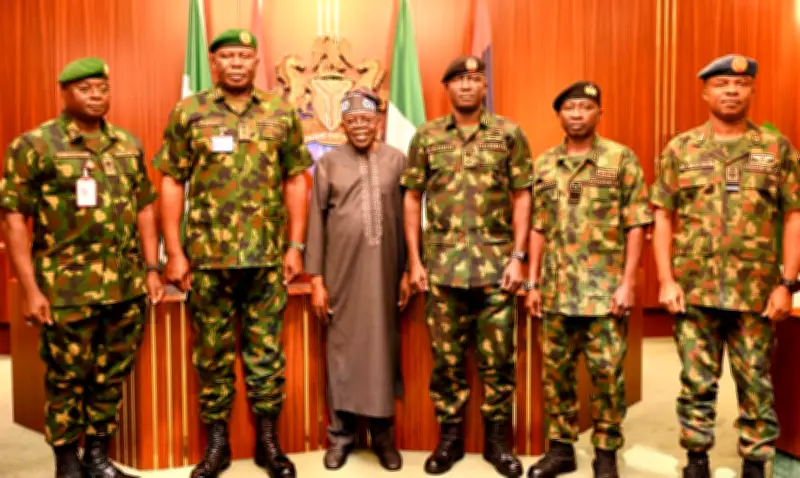
Nigeria's Massive Defence Investment Fails to Stem Rising Insecurity
Over the past fifteen years, Nigeria has directed approximately N32.88 trillion towards defence and security, representing a staggering 12.5% of the total national budgets amounting to N262.834 trillion during that period. Despite this colossal financial commitment, the nation continues to grapple with persistent and widespread insecurity, casting serious doubts on the effectiveness of these expenditures.
Persistent Violence Amidst Heavy Spending
Official exchange rate conversions indicate that the N32.88 trillion defence allocation translates to roughly $44.64 billion. Yet, communities across Nigeria remain besieged by insurgency, rampant banditry, frequent kidnappings, destructive communal clashes, and oil-related violence. Security data reveals a grim toll: more than 100,000 Nigerians have lost their lives in violence-related incidents since 2012, with thousands more abducted and millions forcibly displaced from their homes.
Current Crisis and Humanitarian Impact
The security situation remains dire in 2026, with at least 1,091 deaths recorded within the first 41 days of the year alone. Currently, an estimated 3.7 million Nigerians are displaced, residing in nearly 3,900 camps nationwide. Growing fears over the resurgence of suicide bombings have been ignited following recent deadly attacks in Maiduguri, underscoring the ongoing threat.
Legislative Scrutiny and 2026 Budget Proposals
Amid mounting concerns, the National Assembly has intensified its examination of defence spending as lawmakers work to pass the 2026 Appropriation Bill before the March 31 deadline. The proposed N58.47 trillion budget includes about N5.41 trillion earmarked for defence and security, marking one of the largest allocations in the plan submitted by President Bola Tinubu.
Senate committees are actively reviewing the budget, conducting defence sessions with ministries and agencies to ensure accountability and operational efficiency. Senate President Godswill Akpabio has confirmed that efforts are underway to pass the budget before the end of March. Similarly, the House of Representatives is set to resume deliberations on the defence budget, with committees focusing on critical areas such as troop welfare, logistics, intelligence operations, and procurement.
Rising Allocations and Regional Security Challenges
Defence spending has seen a significant increase in recent years. In 2025, approximately N6.57 trillion was allocated to the sector, while N5.41 trillion has been proposed for 2026. Out of this, the Ministry of Defence is expected to receive about N3.154 trillion to cover personnel costs, operations, and capital projects.
Nigeria continues to face multifaceted security challenges, including:
- Insurgency in the North-East
- Banditry in the North-West
- Violent attacks in the North-Central region
- Oil theft in the Niger Delta
- Maritime insecurity in the Gulf of Guinea
Accountability and Measurable Outcomes
Lawmakers are emphatically insisting that increased funding must translate into tangible and measurable improvements in national security. The central question remains: despite rising allocations, is the heightened spending actually delivering real enhancements in safety and security across the country? The persistent insecurity suggests a critical need for greater transparency, efficiency, and strategic deployment of defence resources to protect Nigerian citizens effectively.