Saif al-Islam Gaddafi, Son of Former Libyan Leader, Assassinated in Zintan
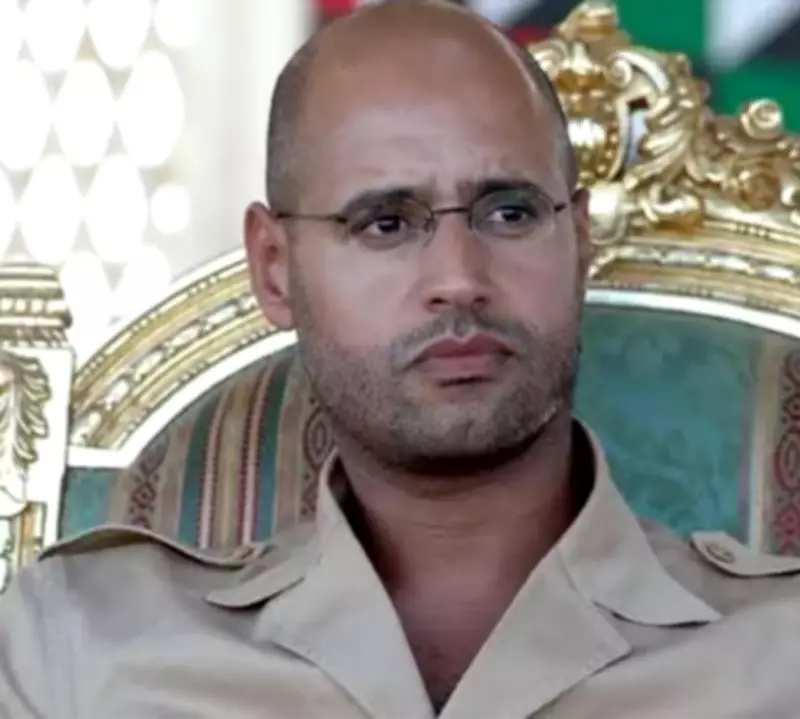
Saif al-Islam Gaddafi, the son of Libya's former leader Colonel Muammar Gaddafi, has been assassinated in a shocking incident that has sent ripples across the region. The 53-year-old, who was once widely regarded as his father's heir apparent, was reportedly shot and killed on Tuesday, February 3, in the western Libyan city of Zintan, where he had been based for the past decade.
Reports and Confirmation of the Assassination
The death of Saif al-Islam Gaddafi was officially reported by the head of his political team on Tuesday, according to the Libyan News Agency. This confirmation came amidst conflicting accounts, with his sister telling Libyan TV that he had died near the country's border with Algeria, though she did not disclose the exact circumstances or cause of death. The assassination has raised significant questions and concerns, prompting calls for a thorough investigation.
Calls for Investigation and Political Reactions
In response to the killing, Khaled al-Mishri, the former head of the Tripoli-based High State Council, which is an internationally recognized government body, called for an "urgent and transparent investigation" into the assassination in a social media post on Tuesday. This demand underscores the volatile political climate in Libya and the need for clarity in such a high-profile case. The incident highlights the ongoing instability and security challenges in the country.
Background and Influence of Saif al-Islam Gaddafi
Saif al-Islam Gaddafi never held an official position in Libya, but he was long seen as the most influential and feared figure in the country after his father, who ruled Libya from 1969 until being ousted and killed during an uprising in 2011. His role as a key figure in the Gaddafi regime made him a central character in Libya's turbulent history. Following the opposition's takeover of Tripoli in 2011, he was captured and imprisoned in Zintan after attempting to flee the North African country. He was later released in 2017 as part of a general pardon, but his presence continued to loom large over Libyan politics.
Implications for Libya's Future
The assassination of Saif al-Islam Gaddafi is likely to have profound implications for Libya's political landscape. As a symbol of the old regime, his death may influence power dynamics and fuel further unrest. The call for an investigation by figures like Khaled al-Mishri reflects the broader need for accountability and stability in a nation still grappling with the aftermath of the 2011 uprising. This event serves as a stark reminder of the persistent violence and uncertainty that plague Libya.